Selecting the right high-pressure hose for machinery is crucial to ensuring the safe, efficient, and reliable operation of your equipment. High-pressure hoses are integral in transferring fluid under intense pressure to power machinery and equipment, and choosing the appropriate hose significantly impacts the performance and longevity of the system. A hose that is not suited to the specific pressure, temperature, and fluid requirements of the machine can lead to leaks, hose bursts, system inefficiencies, and even costly downtime. Proper selection ensures that the hose can handle the operating conditions, maintaining steady fluid flow while protecting against potential hazards. Ultimately, the right high-pressure hose enhances the overall performance of the machinery by reducing the risk of failures, extending the equipment's lifespan, and improving operational efficiency.
Key Factors to Consider When Selecting a High-Pressure Hose
Choosing the right high-pressure hose is crucial for ensuring machinery safety, performance, and longevity. Here are the key factors to consider when selecting the best hose for your system.
1. Pressure Rating
The pressure rating indicates the maximum pressure a hose can safely handle. Always select a hose with a pressure rating higher than the maximum operating pressure of your system to account for pressure spikes and prevent failure.
2. Material
The hose material influences its durability and suitability for specific applications:
Rubber: Flexible, weather-resistant, and ideal for moderate pressure and general use.
Thermoplastic: Lightweight, chemical-resistant, and suited for applications requiring flexibility and chemical compatibility.
Steel Wire Reinforced: Provides strength and pressure resistance for heavy-duty, high-pressure environments.
Choosing the right material ensures the hose can withstand the stresses of your application.
3. Temperature Resistance
Temperature variations can degrade hose performance. Ensure the hose material can handle the operating temperature range of your system, whether high heat from hydraulic systems or cold conditions. Using the wrong hose for temperature extremes can lead to damage or failure.
4. Fluid Type
It’s important to match the hose material to the type of fluid being transferred. Different fluids, such as oil, chemicals, or gas, may require specific materials to avoid degradation or failure. Choose hoses made from materials compatible with the fluid in your system.
5. Flexibility and Bend Radius
Hoses need to be flexible enough to fit in tight spaces without kinking or stressing. The bend radius is the minimum curve a hose can handle. A hose that’s too rigid may lead to early wear or damage. Ensure the hose’s flexibility meets your system’s routing requirements.
Types of High-Pressure Hoses
High-pressure hoses are available in various types, each designed for specific applications and conditions. Understanding the characteristics and benefits of different types of hoses can help you choose the right one for your machinery and system requirements.
1. Wire Braid Reinforced Hoses: Characteristics and Applications
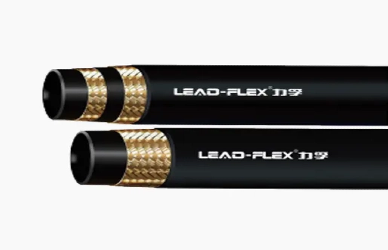
Wire braid reinforced hoses are commonly used in moderate to high-pressure applications. These hoses feature steel wire braiding that provides added strength and flexibility, allowing them to withstand substantial pressure while maintaining the flexibility needed for easy routing.
Characteristics:
Moderate to high-pressure resistance
Flexible and durable
Resistant to abrasion and wear
Often used in hydraulic systems
Applications:
Used in construction, agriculture, and industrial machinery
Suitable for fluid and gas transfer in medium-pressure systems
Common in automotive and manufacturing applications
2. Wire Spiral Reinforced Hoses: Strengths for Heavy-Duty Applications
Wire spiral reinforced hoses are designed for high-pressure and heavy-duty applications. These hoses are reinforced with multiple layers of spiral-wound steel wire, providing them with excellent resistance to high pressure and heavy mechanical stress.
Characteristics:
High-pressure resistance (up to 5,000 psi or more)
Extremely durable and strong
Ideal for heavy-duty use
Suitable for harsh environments
Applications:
Used in industries such as oil & gas, mining, and heavy construction
Ideal for high-pressure hydraulic systems and heavy machinery
Works well in challenging environments with extreme pressures
3. Thermoplastic Hoses: Lightweight and Chemical-Resistant Options
Thermoplastic hoses are a lightweight and versatile option, offering excellent resistance to chemicals, abrasion, and temperature variations. These hoses are typically used in situations where a flexible, lighter-weight hose is necessary, without sacrificing durability.
Characteristics:
Lightweight and flexible
Excellent chemical resistance
Suitable for moderate to high-pressure applications
Resistant to UV, ozone, and weathering
Applications:
Chemical processing, food and beverage industries
Ideal for fluid transfer in agricultural and industrial settings
Used in situations where low weight and chemical resistance are key
4. Rubber Hoses: Flexibility and Common Uses in Industrial Machinery
Rubber hoses are known for their flexibility and ability to handle a wide range of fluids, making them an excellent choice for general industrial use. These hoses are typically reinforced with materials like steel wire or synthetic fibers to improve their pressure resistance and durability.
Characteristics:
High flexibility and resistance to wear
Suitable for moderate pressure systems
Often resistant to oils, chemicals, and weathering
Applications:
Used in hydraulic systems, automotive, and agricultural machinery
Common for fluid transfer in manufacturing and construction industries
Ideal for situations requiring high flexibility and moderate pressure resistance
How to Match High-Pressure Hoses to Machinery and Applications
Matching a High-Pressure Hose to your machinery starts with understanding what the system demands in real operating conditions. The right match improves performance, reduces risk, and helps prevent unexpected shutdowns.
1.Understanding machine requirements and selecting hoses by application
Begin by identifying your machine’s working pressure, operating temperature range, and the fluid being transferred. Different applications—construction equipment, industrial presses, or mobile hydraulics—may face different vibration levels, movement, and external wear, so the hose must fit both the system and the environment.
2.Ensuring compatibility with machine specifications
To ensure proper fit and performance, confirm:
Pressure: Select a hose rated above the system’s maximum working pressure, including possible pressure surges.
Temperature: Choose materials that stay stable across your expected heat/cold range to avoid hardening, cracking, or softening.
Fluid type: Make sure the inner tube material is compatible with the fluid (hydraulic oil, water-based fluids, or certain chemicals) to prevent swelling, leaks, or premature breakdown.
3.The importance of regular maintenance and inspections
Even the best hose will fail early without proper care. Build routine checks into maintenance schedules:
Inspect for abrasion, cracks, blisters, leaks, and loose fittings
Avoid twisting, kinking, and tight routing beyond the recommended bend radius
Replace hoses showing warning signs before they burst under pressure
How to Properly Inspect High-Pressure Hoses for Wear and Tear
Regular inspections of high-pressure hoses are vital for preventing failures and ensuring safe operation. Over time, hoses may suffer from wear due to pressure, temperature, or abrasions. Early detection of issues can prevent sudden hose failures and costly downtime.
1.Key Steps for Inspecting High-Pressure Hoses
Check for Visible Damage
Cracks or Cuts: Look for visible cracks or cuts in the hose that may lead to leaks.
Bulges or Blisters: These indicate internal pressure issues and could cause rupture if ignored.
Abrasion: Check for signs of wear from friction or external contact that weaken the hose.
Examine Connections and Fittings
Leaks at Couplings: Inspect fittings for leaks and ensure secure attachment to prevent fluid loss.
Loose or Worn Fittings: Tighten loose fittings and replace worn seals to maintain a strong connection.
Check for Kinks or Bends
Ensure hoses are not sharply bent, as kinks can cause stress points and block fluid flow.
Inspect for Pressure Damage
Overpressure Marks: Look for signs of bulging, indicating exposure to pressures above the hose’s rating.
Wear from Pressure Cycles: Check for fatigue around bends or points where pressure is regularly applied.
Temperature and Environmental Exposure
Heat or Cold Damage: Look for cracks or brittleness due to extreme temperatures.
UV Exposure: Outdoor hoses may degrade from sunlight exposure, showing signs like cracking or fading.
2.Tips for Prolonging Hose Life and Preventing Failures
Avoid Overpressurizing:
Ensure the operating pressure remains within the hose’s rated limits to prevent rupture.
Proper Routing:
Avoid sharp edges, hot surfaces, or moving parts that could cause abrasion. Use protective covers if needed.
Routine Cleaning:
Clean hoses regularly to remove dirt, debris, or chemicals that may cause damage.
Store Properly:
Store hoses in a dry, cool place away from UV light, chemicals, or extreme temperatures.
Use the Right Hose:
Ensure the hose matches the application’s pressure, fluid type, and environmental conditions to avoid premature failure.
Regular Inspections:
Make hose inspections part of routine maintenance to detect wear and prevent costly failures.
FAQ
1.What pressure rating do I need for my high-pressure hose?
The pressure rating should exceed the maximum pressure your system will generate to ensure safety and prevent hose failure.
2.How do I know if my machinery requires a wire braid or wire spiral hose?
Wire braid hoses are suitable for medium-pressure systems, while wire spiral hoses are designed for high-pressure and heavy-duty applications.
3.Can I use any hose material for all types of fluids?
No. Hose material must be compatible with the type of fluid being transferred (e.g., chemicals, oils, or water-based fluids) to avoid degradation.
4.How often should I inspect my high-pressure hose?
Regular inspections should be done at least once a month, or more frequently in high-use applications, to check for wear, cracks, or leaks.
Conclusion
Selecting the right high-pressure hose for machinery is essential for ensuring optimal performance, safety, and efficiency. Key factors to consider include the hose's pressure rating, material, temperature resistance, and compatibility with the fluid being transferred. Proper matching of the hose to the machine’s specific requirements, such as pressure limits and environmental conditions, is critical to prevent failures and ensure longevity. Additionally, regular inspections and maintenance help identify wear and prevent costly downtime. By choosing the correct hose and maintaining it properly, you can improve machinery efficiency, reduce the risk of system failures, and extend the overall life of both the hose and the equipment, leading to more reliable and cost-effective operations.


