Hydraulic hoses are essential components in modern industries, serving as the primary conduit for transmitting hydraulic fluid under pressure to power various machinery and equipment. These hoses are crucial in systems where force needs to be transmitted through a liquid medium, such as in construction, agriculture, mining, and manufacturing industries. The importance of hydraulic hoses lies in their ability to handle high pressure, flexibility, and durability, ensuring that the hydraulic systems operate efficiently and safely. Hydraulic hoses are used in a wide range of applications, from controlling the movement of heavy equipment to facilitating fluid transfer in machines like excavators, cranes, and industrial presses. Their function extends beyond merely connecting components; they help maintain the integrity of the system by ensuring the smooth flow of fluid, which powers machinery, controls motion, and supports various industrial processes.
Basic Definition and Construction of Hydraulic Hoses
A hydraulic hose is a vital component used in hydraulic systems to transport fluid under high pressure, enabling the transfer of energy to operate machinery and equipment in various industries. Hydraulic hoses are essential for tasks like lifting, pressing, and moving materials in sectors such as construction, agriculture, manufacturing, and more. Their ability to handle high pressure, flexibility, and resistance to wear and tear makes them indispensable in industrial applications.
1.Basic Definition of a Hydraulic Hose
A hydraulic hose is a flexible tube designed to carry hydraulic fluid in systems that use pressurized liquid to power mechanical movements. These hoses are constructed to meet the demanding conditions of high-pressure environments, ensuring that fluids can be safely transferred without leaks or failure.
2.Construction of a Hydraulic Hose
The construction of a hydraulic hose is made up of several layers, each serving a distinct purpose to ensure the hose functions safely and efficiently under high pressure:
Inner Lining
The inner lining is the first layer that comes into direct contact with the hydraulic fluid. It is typically made from materials like synthetic rubber or thermoplastic elastomers, designed to be resistant to oil, heat, and abrasion. This layer ensures smooth fluid flow and prevents contamination of the hydraulic system.
Reinforcement Layers
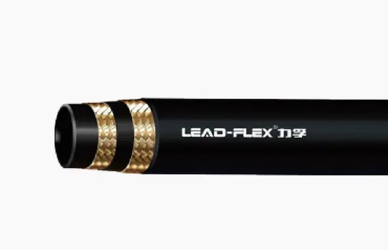
The reinforcement layers are critical for providing strength and pressure resistance to the hose. They are usually composed of steel wire or synthetic fibers and come in two forms:
Braid Reinforcement: Steel wires are braided in a criss-cross pattern, offering flexibility while maintaining strength.
Spiral Reinforcement: For higher pressure applications, steel wires are wound in a spiral pattern around the inner lining, providing increased pressure resistance.
These reinforcement layers prevent the hose from expanding or rupturing under high pressure, ensuring safety and reliability.
Outer Cover
The outer cover acts as the protective shield for the hose, safeguarding it from external damage. Made from tough materials such as rubber, polyurethane, or thermoplastic, the outer cover provides resistance to abrasion, UV rays, oils, and chemicals. It also ensures the hose can withstand harsh environmental conditions without deteriorating.
Types of Hydraulic Hoses
Hydraulic hoses come in different types, each designed for specific applications based on pressure, flexibility, and environmental conditions. The four main types are:
1. Wire Braid Hydraulic Hose
Wire braid hydraulic hoses are commonly used for medium to high-pressure applications. These hoses feature a braided steel wire reinforcement that offers strength and flexibility. They are resistant to abrasion and are ideal for general industrial use.
Key Characteristics:
Flexible and durable
Medium to high-pressure resistance
Used in construction, agriculture, and automotive industries
2. Wire Spiral Hydraulic Hose
Wire spiral hydraulic hoses are designed for high-pressure applications. With multiple layers of steel wire spiraled around the inner lining, they can withstand extreme pressure. These hoses are commonly used in heavy-duty machinery.
Key Characteristics:
High pressure resistance (up to 5,000 psi or more)
Used in mining, oil & gas, and construction
Suitable for high-pressure hydraulic systems
3. Fiber Reinforced Hydraulic Hose
Fiber reinforced hoses use synthetic fibers instead of steel wire for reinforcement, offering flexibility and light weight. These hoses are typically used in low to medium-pressure applications and are ideal for mobile equipment.
Key Characteristics:
Lightweight and flexible
Low to medium pressure resistance
Common in agriculture and light machinery
4. Rubber Hydraulic Hose
Rubber hydraulic hoses are versatile and durable, with a rubber outer cover that is resistant to oil, weather, and UV rays. They are used in both medium and high-pressure applications, offering flexibility in various conditions.
Key Characteristics:
Resistant to oil, weather, and UV exposure
Medium to high-pressure resistance
Widely used in automotive and construction machinery
Hydraulic Hose Pressure Ratings
Hydraulic hose pressure ratings indicate the maximum pressure a hose can safely withstand. Choosing the right hose with the proper pressure rating is essential for system performance and safety.
1.Low-Pressure vs High-Pressure Hoses
Low-Pressure Hoses: Rated for pressures up to 1,000 psi. These hoses are used in systems with lighter machinery and lower pressure demands.
High-Pressure Hoses: Rated for pressures above 5,000 psi. They are necessary for heavy-duty equipment and industries such as construction, mining, and oil and gas.
2.Different Pressure Ratings for Various Applications
Low-Pressure Applications (up to 1,000 psi): Suitable for light machinery and fluid transfer.
Medium-Pressure Applications (1,000 to 3,000 psi): Common in general industrial and agricultural equipment.
High-Pressure Applications (3,000 psi and above): Used in demanding industries like construction and oil extraction where high forces are needed.
3.How to Select the Right Pressure Rating for Your System
Know System Pressure: Identify the maximum pressure in your system, including any pressure spikes.
Factor in Safety: Choose a hose with a pressure rating higher than your system’s maximum working pressure, typically a safety factor of 4:1.
Consider Operating Conditions: Take into account temperature, fluid type, and potential wear.
Follow Manufacturer Guidelines: Refer to the hose manufacturer’s pressure charts to ensure compatibility.
How to Choose the Right Hydraulic Hose
Choosing the right hydraulic hose is essential for ensuring system performance and safety. Key factors include pressure, temperature, fluid type, and material construction.
1.Selecting Based on Pressure, Temperature, and Fluid Type
Pressure Rating:
Choose a hose with a higher pressure rating than your system’s maximum operating pressure to avoid failure from pressure spikes.
Temperature Resistance:
Select a hose that can handle the high and low temperatures your system may encounter. Different hoses are designed for extreme temperature conditions.
Fluid Compatibility:
Ensure the hose material is compatible with the hydraulic fluid in your system (oil, water, or chemicals) to prevent damage or leaks.
2.Choosing the Right Material and Construction
Material:
Rubber: Flexible and resistant to weather, suitable for moderate pressures.
Thermoplastic: Lightweight and chemical-resistant, ideal for lower pressures.
Steel Wire Reinforced: High-strength material for heavy-duty applications.
Stainless Steel: Corrosion-resistant, used in demanding environments.
Reinforcement Layer:
Braid Reinforced: For flexibility and medium-pressure systems.
Spiral Reinforced: High-pressure strength for heavy-duty applications.
Fiber Reinforced: Lightweight and flexible for low-pressure systems.
Outer Cover:
Choose a hose with an outer cover that protects against abrasion, UV exposure, and chemical damage, based on the environment it will be used in.
Maintenance and Care of Hydraulic Hoses
Proper maintenance is essential for extending the lifespan and ensuring the safety of hydraulic hoses. Regular care helps avoid system failures and minimizes downtime.
1.Tips to Extend the Lifespan of Hydraulic Hoses
Avoid Overpressure:
Ensure system pressure stays within the hose’s rated limits to prevent stress and failure.
Protect from Damage:
Keep hoses away from sharp edges, excessive heat, and moving parts. Use covers to protect against abrasion and UV exposure.
Proper Routing:
Avoid sharp bends or kinks. Ensure hoses are properly supported and routed to minimize wear.
Clean Regularly:
Remove dirt and contaminants to prevent clogging and degradation of the hose material.
Monitor Fluid and Temperature:
Ensure that fluid type and temperature remain within the hose’s specifications to avoid damage.
Choose the Right Hose:
Always use hoses suited for your system’s pressure, fluid, and environmental conditions.
2.Importance of Regular Inspections and Maintenance
Detect Wear Early:
Regular inspections help identify cracks, abrasions, and other damage before failure occurs.
Prevent Failures:
Maintenance reduces the risk of hose bursts or leaks, preventing costly repairs and downtime.
Extend Equipment Life:
Well-maintained hoses keep the entire hydraulic system running smoothly, reducing strain on other components.
Ensure Safety:
Regular checks ensure hoses are free from defects, reducing the risk of fluid leaks and safety hazards.
FAQ
1.What are the common pressure ratings for hydraulic hoses?
Common pressure ratings include low pressure (up to 1,000 psi), medium pressure (1,000-5,000 psi), and high pressure (over 5,000 psi).
2.How do I determine the correct hydraulic hose model?
Choose based on working pressure, temperature, fluid type, and the specific application environment.
3.How can I extend the lifespan of hydraulic hoses?
Regularly inspect for wear, cracks, or aging, avoid overloading, and ensure hoses are kept in optimal working condition.
4.What are common causes of hydraulic hose failure?
Overpressure, physical damage, chemical corrosion, and aging are the primary causes of hydraulic hose failure.
Conclusion
Choosing the correct hydraulic hose is critical for ensuring the safety, performance, and longevity of hydraulic systems. The right hose not only ensures optimal operation but also minimizes the risk of failures, leaks, and downtime, which can lead to significant safety hazards and costly repairs. Selecting a hose that matches the system’s pressure, temperature, and fluid specifications directly impacts system efficiency, extends equipment life, and safeguards operators. As hydraulic technology continues to advance, trends such as higher pressure ratings, improved materials, environmentally friendly solutions, and the integration of smart hose technology are shaping the future of hydraulic hoses. These developments will further enhance performance, safety, and sustainability, ensuring that hydraulic systems are more efficient and reliable in the years to come.


