Industrial hoses play a crucial role in a wide range of industries, acting as essential components for transferring liquids, gases, and other materials in manufacturing, construction, chemical processing, oil & gas, and more. They are used to transport high-pressure fluids, chemicals, slurry, and other substances, making them vital for ensuring smooth and safe operations in these sectors.
The durability of industrial hoses is directly linked to operational efficiency. A durable hose minimizes the risk of failure, reduces the frequency of replacements, and ensures a consistent flow of materials, which helps maintain productivity. Reliable, long-lasting hoses contribute to reducing downtime, improving safety, and lowering operational costs. This is why choosing the right industrial hose is crucial for optimizing system performance and ensuring long-term success in industrial operations.
What Makes Industrial Hoses Durable?
The durability of industrial hoses is crucial for safe, efficient, and long-lasting performance in various industries. Key factors like material quality, construction, and reinforcement all play a significant role in a hose's ability to withstand extreme conditions.
1.Key Factors Contributing to Durability
Material Quality
The material used in the inner lining, reinforcement, and outer cover impacts durability. High-quality rubber, thermoplastics, and synthetic polymers resist wear, UV damage, abrasion, and chemicals, extending hose life.
Construction
The hose's construction involves multiple layers, including an abrasion-resistant inner lining, reinforcing layers for strength, and a protective outer cover. The design ensures the hose can handle pressure and environmental factors.
Reinforcement
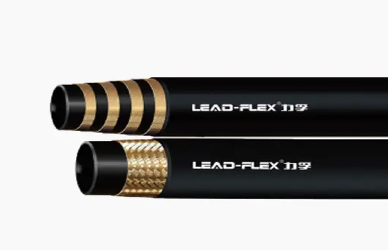
Reinforcement layers made from materials like steel wire or synthetic fibers increase the hose's pressure resistance and tensile strength. Braid reinforcement is ideal for medium-pressure systems, while spiral reinforcement handles high-pressure applications.
2.Differences in Durability Across Hose Types
Rubber Hoses
Flexible and weather-resistant, rubber hoses are ideal for moderate-pressure applications but may degrade over time due to chemical exposure.
Best For: General industrial, agricultural, and automotive use.
Thermoplastic Hoses
Lightweight, chemical-resistant, and highly flexible, these hoses are better suited for low to medium pressure but can be prone to damage in high-pressure environments.
Best For: Chemical and food processing.
Steel Wire Reinforced Hoses
Designed for high-pressure systems, these hoses offer excellent durability and resistance to extreme pressure.
Best For: Hydraulic systems, construction, and oil & gas.
Synthetic Fiber Reinforced Hoses
These hoses are strong and lightweight, offering resistance to chemicals and abrasion without the heavy weight of steel.
Best For: Lightweight, high-strength applications.
Impact of Durable Industrial Hoses on Operational Efficiency
Durable industrial hoses are essential for ensuring smooth operations and maintaining high productivity in various industries. Their reliability and long-lasting performance can significantly improve operational efficiency by reducing downtime, cutting costs, and enhancing safety.
1.Reduced Downtime Due to Fewer Hose Failures
One of the primary benefits of durable industrial hoses is a reduction in downtime. High-quality hoses that are designed to withstand extreme conditions and resist wear and tear are less likely to fail unexpectedly. With fewer hose failures, operations experience less disruption, leading to continuous, uninterrupted workflows. This improvement in uptime boosts overall productivity and keeps machinery and equipment running smoothly.
2.Cost Savings from Fewer Replacements and Repairs
Durable hoses last longer, reducing the need for frequent replacements and repairs. This translates to significant cost savings over time, as businesses don’t have to invest in new hoses or pay for repairs as often. Fewer breakdowns also mean less labor and time spent on maintenance, which further contributes to overall savings and enhances the efficiency of maintenance teams.
3.Improved Safety and Reliability, Leading to Smoother Operations
Durable hoses are less likely to burst, leak, or cause other safety hazards, improving overall system safety. With a lower risk of hose failures, there is a reduced chance of fluid leaks that could cause workplace accidents, environmental damage, or system malfunctions. The reliability of durable hoses enhances operational consistency, ensuring that all systems are functioning optimally, which promotes a safer work environment and minimizes risks associated with hose failure.
Durable Industrial Hoses in High-Demand Environments
Durable industrial hoses are essential in industries that face harsh conditions, including high pressures, extreme temperatures, and exposure to chemicals. These hoses ensure safety, efficiency, and reliability in critical operations.
1.Applications in Manufacturing, Construction, Oil & Gas, and Chemicals
Manufacturing
Hoses in manufacturing handle fluid, gas, and material transport under high pressure, enduring wear from abrasives, chemicals, and mechanical stress.
Construction
In construction, hoses are used for hydraulic systems, fuel, and lubricant transfer. They must resist high pressure, temperature extremes, and abrasion from rough environments.
Oil & Gas
Oil and gas industries rely on hoses for drilling, pipeline transfer, and chemical processing. These hoses endure high pressure, temperature fluctuations, and corrosive chemicals.
Chemicals
In chemical processing, hoses must resist aggressive substances and extreme conditions. Chemical-resistant hoses prevent leaks and contamination during fluid transfer.
2.How Durable Hoses Handle Extreme Conditions
Extreme Pressures
Reinforced hoses, made with steel wire or synthetic fibers, resist high-pressure environments, ensuring reliable fluid transfer and preventing failures.
High and Low Temperatures
Heat-resistant materials, like rubber and thermoplastics, help hoses perform in extreme temperature conditions without cracking or losing flexibility.
Chemical Resistance
Hoses made from PVC, fluoropolymer, or synthetic rubber provide resistance to a wide range of chemicals, ensuring safe, leak-free fluid transfer.
Choosing the Right Durable Hose for Your Operations
Selecting the right durable industrial hose is critical for ensuring safety, efficiency, and longevity in your operations. The correct hose will withstand the harsh conditions of your specific industry and reduce downtime, maintenance costs, and the risk of failures. Here are the key factors to consider when choosing the right hose for your system.
1.Factors to Consider When Selecting Industrial Hoses
Pressure Rating
The hose must be able to withstand the maximum working pressure of your hydraulic or fluid system. It’s essential to choose a hose with a pressure rating higher than the maximum expected pressure to ensure safety and prevent hose failure.
Temperature Range
Different hoses are designed to perform at specific temperature ranges. Depending on the application, whether you're dealing with high heat or extreme cold, selecting a hose that can handle the temperature conditions is crucial for its longevity and performance.
Fluid Type
The type of fluid the hose will carry plays a vital role in material selection. Different fluids—such as oils, acids, gases, or water-based liquids—require hoses made from compatible materials. Choose a hose that is resistant to chemical corrosion or abrasion caused by the fluids in your system.
2.The Importance of Regular Maintenance to Maximize Hose Lifespan
Frequent Inspections
Regular inspections are key to identifying signs of wear, cracks, or leaks before they lead to failures. Inspections should focus on areas like hose ends, couplings, and external coverings for signs of abrasion or damage.
Proper Storage
Store hoses away from extreme temperatures, chemicals, and direct sunlight. Proper storage ensures hoses retain their flexibility and resistance to degradation when not in use.
Avoid Overpressure
Always ensure hoses are operating within their specified pressure limits. Exceeding these limits can significantly reduce the hose's lifespan and cause premature failure.
Cleaning and Maintenance
Regular cleaning of hoses, especially when handling sticky or corrosive fluids, helps prevent build-up and clogging. Ensuring hoses are clear of debris and contaminants maintains proper fluid flow and prevents internal damage.
FAQ
1.What are the key factors that contribute to the durability of industrial hoses?
The durability of industrial hoses is mainly determined by material quality, which resists wear, abrasion, and chemicals, along with reinforcement layers like steel or synthetic fibers that add strength. The hose's ability to withstand environmental factors such as temperature extremes, UV rays, and chemicals also plays a key role.
2.How can durable hoses reduce operational costs?
Durable hoses reduce operational costs by cutting down on frequent replacements, repairs, and downtime. Their ability to endure high pressures and harsh conditions means fewer breakdowns, leading to cost savings and improved system performance.
3.In which industries are durable industrial hoses most beneficial?
Durable hoses are essential in high-demand industries like manufacturing, construction, oil & gas, and chemical processing, where they face extreme conditions, pressures, and exposure to chemicals.
4.What maintenance practices can help extend the lifespan of industrial hoses?
To extend the lifespan of industrial hoses, it’s important to perform regular inspections to detect wear and tear early, check for cracks, bulges, or leaks, and address any issues promptly. Proper storage away from extreme temperatures, chemicals, and direct sunlight helps maintain the hose’s integrity. Additionally, avoiding overpressure ensures hoses are operating within their rated limits, while regular cleaning prevents build-up of dirt and chemicals that could damage the hose or affect fluid flow.
Conclusion
Durable industrial hoses are essential for maintaining the efficiency, safety, and reliability of systems in industries that operate under demanding conditions. By choosing hoses made from high-quality materials with the right reinforcement and resistance to environmental factors, companies can significantly reduce operational costs, minimize downtime, and enhance overall productivity. Regular maintenance practices, such as frequent inspections, proper storage, and cleaning, are vital in extending the lifespan of hoses and preventing unexpected failures. Investing in durable hoses and ensuring proper upkeep not only protects your equipment but also fosters smoother, more reliable operations. This long-term approach leads to substantial cost savings, improved performance, and safer work environments, making it a wise decision for businesses aiming for sustained success.


