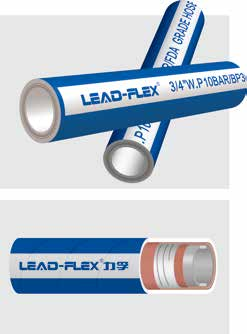
Sanitation in food and beverage processing carries incredibly high stakes. A single hygiene failure can trigger severe audit penalties, ruined product batches, and devastating cross-contamination. You simply cannot afford operational shortcuts here. Protecting public health requires strict, uncompromising adherence to established hygiene protocols.
Many facilities mistakenly confuse visual cleanliness with true microbial sanitization. Simply washing away visible dairy or beverage residue does not guarantee a sterile environment. Microscopic pathogens easily survive basic surface washdowns. Implementing proper cleaning protocols ensures compliance with regulatory agencies and strict facility standards. A scientifically validated cleaning routine protects consumers while simultaneously preventing premature equipment degradation.
We will explore how to establish rigorous cleaning procedures tailored specifically to different elastomers. You will learn the crucial differences between cleaning-in-place and clean-out-of-place methods. By the end, you will know exactly how to execute a safe, compliant sanitization cycle. Applying the wrong chemical or temperature profile will accelerate rubber degradation, so choosing the correct approach remains essential.
Key Takeaways
Material dictates the method: An EPDM food hose requires different temperature and chemical limits compared to silicone or nitrile.
CIP vs. COP: Choosing between Clean-In-Place (CIP) and Clean-Out-of-Place (COP) depends on the hose assembly’s rating and facility infrastructure.
Sanitization is a multi-step process: Effective sanitation requires a strict sequence: pre-rinse, chemical wash, rinse, sanitize, and complete drying.
Inspection is mandatory: Cleaning cycles accelerate wear; regular physical inspections are required to determine when an fda grade hose must be replaced rather than re-cleaned.
The Business Impact of Strict Sanitation Protocols
Sanitation standards ultimately dictate facility success. Regulators routinely audit processing plants for strict compliance. You must maintain standardized, highly detailed cleaning logs daily. These logs directly support mandates from the FDA, FSMA, and 3-A Sanitary Standards. Inspectors review these records to ensure public safety. Without properly documented procedures, your facility risks failing critical compliance inspections. A failed audit often leads to forced production halts and heavy financial penalties.
Improper sanitation directly causes dangerous bacterial biofilm buildup. Bacteria like Listeria and E. coli thrive in hidden, microscopic crevices. Biofilms actually secrete a protective matrix. This shield protects pathogens from basic washdown routines. Once established, biofilms cause devastating product recalls. A reliable food grade hose prevents hidden bacterial traps when properly maintained. Aggressive sanitization reliably kills these dangerous bacteria. However, you must carefully preserve the physical rubber material simultaneously. Balancing microbial destruction against equipment longevity requires precision.
Consistent compliance builds deep consumer trust. Brand reputation hinges on product purity. Contaminated batches ruin years of marketing and customer loyalty overnight. Standardized cleaning protects the public while shielding your brand from catastrophic liability.
Assessing Material Compatibility Before Cleaning
Understanding elastomer limits remains absolutely crucial. You cannot apply universal cleaning procedures to every assembly. Different rubbers possess highly unique chemical and thermal thresholds. Applying the wrong sanitizer destroys the internal tube quickly. Facilities often ruin expensive equipment by ignoring manufacturer specifications.
Consider the specific characteristics of an epdm food hose. It offers exceptional resistance to both alkaline and acidic CIP solutions. It handles high-temperature steam cycles beautifully. However, it remains highly vulnerable to petroleum-based solvents. Heavy animal fats also degrade EPDM rapidly. You must restrict EPDM usage to compatible liquid transfers like beer, wine, or juices.
Silicone and nitrile require very different handling procedures. Silicone handles extreme thermal thresholds easily during high-temp washes. Yet, it tears easily under physical stress or abrasion. Nitrile excels at handling heavy fats, oily foods, and dairy products. Unfortunately, nitrile degrades quickly under excessive heat. Operators must verify the exact material composition before initiating any wash cycle.
We must also acknowledge the tube versus cover reality. The sanitary interior tube handles harsh, concentrated sanitizers by design. The exterior cover often utilizes a completely different, less chemically resistant rubber compound. You must use gentler washdown procedures on the exterior. Harsh external foamers cause the outer cover to crack, dry out, and fail prematurely.
Elastomer Chemical and Temperature Compatibility Overview
Material
Max Temperature limit
Best Suited For
Highly Vulnerable To
EPDM
Up to 302°F (150°C) steam
Acids, alkalis, beer, juices
Animal fats, oils, petroleum
Nitrile (NBR)
Up to 230°F (110°C)
Dairy, oily foods, heavy fats
Ozone, extreme heat, strong acids
Silicone
Up to 400°F (204°C)
High heat, pure water, pharma
Physical abrasion, high pressure
Standardized Cleaning Frameworks: CIP vs. COP
Modern processing facilities utilize two primary sanitation frameworks. Clean-In-Place (CIP) integration automates the cleaning process entirely. Clean-Out-of-Place (COP) requires manual disassembly and physical scrubbing. Choosing the right method depends heavily on your specific infrastructure.
CIP requires strict parameter control to succeed. You must calibrate flow rate, fluid velocity, fluid temperature, and chemical concentration. High fluid velocity creates crucial mechanical scrubbing action inside the tube. This turbulent flow strips away stubborn organic matter. You must assess the entire assembly carefully before using CIP. Fittings and crimps must be fully CIP-capable. Any physical gaps create dangerous dead legs where bacteria multiply freely.
COP protocols serve entirely different operational scenarios. Heavily soiled lines often demand manual breakdown. Operators physically dismantle the connections between production runs. Manual scrubbing and specialized soaking tanks become necessary. Best practices dictate using soft-bristled brushes only. Hard bristles scratch the delicate inner liner. You must actively avoid exterior mechanical damage during the scrubbing phase.
The 5-Step Baseline Process
Whether utilizing automated CIP or manual COP, effective sanitation follows a rigid sequence. Skipping a step invites contamination.
Pre-rinse: Purge loose residue using ambient or warm water. Do not use boiling water initially. High heat bakes proteins directly onto the rubber liner.
Alkaline Wash: Remove heavy fats and stubborn proteins. Caustic solutions chemically break down greasy organic matter efficiently.
Intermediate Rinse: Neutralize the aggressive wash cycle completely. This step flushes out residual alkaline chemicals from the system.
Acid Rinse / Sanitization: Execute mineral removal and the primary microbial kill step. Acid dissolves hard water scale and eliminates remaining pathogens.
Final Rinse & Dry: Perform these critical final steps meticulously. You must prevent residual chemical contamination. Thorough drying prevents moisture-born bacteria from colonizing the tube later.
Approved Sanitization Methods for Food Grade Hoses
Facilities rely on two primary methods to destroy microbial threats. You must choose between extreme heat or potent chemistry.
Thermal sanitization utilizes industrial steam and hot water. Open-end steam cleaning requires strict parameter observation. Operators must monitor specific time and temperature limits relentlessly. Exceeding these limits destroys the elastomer permanently. Steam poses a unique physical risk called "popcorning". Internal tube blistering occurs whenever steam gets trapped inside the liner. The rapid expansion literally tears the rubber from the inside out. Always check your specific assembly's maximum thermal rating before applying steam.
Chemical sanitization provides a powerful alternative to intense heat. Facilities routinely evaluate several common cleaning agents.
Peracetic Acid (PAA): Works rapidly at low temperatures and leaves minimal toxic residue. It breaks down into environmentally safe components.
Sodium Hypochlorite (Chlorine): Offers cheap and highly effective bacteria control. However, chlorine aggressively attacks certain rubber compounds over time.
Quaternary Ammonium Compounds (Quats): Provide excellent lingering antimicrobial properties on exterior covers.
You must monitor concentration limits strictly during chemical application. Excessive chemical concentrations cause severe elastomer embrittlement. A chemically degraded fda grade hose begins to shed microscopic particles directly into the product stream. Always dilute harsh chemicals precisely according to manufacturer specifications.
Common Implementation Risks and Operational Pitfalls
Operational pitfalls ruin expensive equipment quickly. Inadequate drying stands out as a major failure point in many plants. Trapped moisture creates a perfect breeding ground for dormant spores. Post-cleaning procedures must always include forced air drying. Hanging the assembly vertically helps gravity remove residual water droplets.
Thermal shock causes immediate physical damage. Rapidly cycling a line from a near-boiling CIP wash to a freezing cold-water rinse shrinks the rubber violently. This aggressive, sudden contraction tears the internal lining microscopically. Always step down temperatures gradually to protect the elastomer.
Many operators fall for the dangerous over-concentration fallacy. They incorrectly assume more chemical equals a cleaner surface. This is completely false. Excessive caustic levels strip the protective rubber lining away. The interior becomes sticky, porous, and highly susceptible to future bacterial attachment.
Fitting end contamination remains a constant, hidden threat. The transition area connecting the rubber to the steel fitting is incredibly vulnerable. Improperly crimped ends harbor hidden bacteria colonies easily. You must clean these specific junctions meticulously during every cycle.
Inspection, Shortlisting, and Replacement Criteria
Eventually, rigorous cleaning is no longer enough to ensure safety. You must train personnel to recognize irreversible signs of physical wear. Visual discoloration often indicates severe chemical burn. Surface stickiness reveals advanced elastomer breakdown. Internal flaking contaminates your final product directly. External cover cracks expose the internal reinforcement textile layers to moisture, inviting rapid mold growth.
Swab testing validates your actual cleaning protocols scientifically. Facilities use ATP (Adenosine Triphosphate) swabs or microbial cultures routinely. These diagnostic tools verify your sanitation methods are actually working. Visual inspections simply cannot detect microscopic biofilm layers. Swabbing the most vulnerable areas, like fitting joints, provides accurate hygiene data.
System upgrading becomes necessary eventually. Current transfer lines might degrade too rapidly under your necessary CIP conditions. You must outline strict criteria for evaluating new purchases. Buy a higher-spec assembly tailored specifically to your facility's exact cleaning chemistry. Upgrading prevents future downtime and elevates overall plant hygiene.
Conclusion
Effective sanitization balances aggressive microbial control against proactive material preservation. You must eliminate dangerous bacteria completely without destroying your expensive equipment. Finding this equilibrium ensures both public safety and operational efficiency.
Matching the cleaning protocol to the specific material remains absolutely vital. You handle robust EPDM very differently than delicate silicone. Applying universal rules to diverse materials guarantees premature failure. Always tailor your approach based on the exact rubber compound.
Audit your current equipment lifespans immediately. Consult technical specification sheets regarding chemical compatibility before changing your wash cycle. Contact a technical specialist today to request a custom, CIP-rated assembly quote tailored to your exact process.
FAQ
Q: Can you use steam to clean an EPDM food hose?
A: Yes, you can use open-end steam to clean EPDM. EPDM handles heat exceptionally well. Standard temperature thresholds typically allow steam cleaning up to 302°F (150°C). However, you must avoid trapping the steam, which causes popcorning. Always check the specific manufacturer specification sheets before applying steam pressure.
Q: How often should an FDA grade hose be replaced?
A: Replacement remains strictly condition-based rather than time-based. Lifespan depends heavily on CIP frequency, chemical harshness, operating pressures, and physical handling. Inspect assemblies daily. Replace them immediately upon noticing internal flaking, external cover cracks, severe discoloration, or sticky interior surfaces.
Q: What happens if I use the wrong chemical sanitizer on a rubber food hose?
A: Using incompatible chemicals causes rapid physical breakdown. The rubber will experience severe swelling, exterior cracking, and interior tackiness. This degradation leads to unpleasant flavor transfer into your food product. Eventually, the weakened elastomer will suffer a complete mechanical failure during production.