Heat-resistant hoses are essential components in high-temperature applications where they are exposed to extreme conditions, such as in manufacturing, chemical processing, and power generation. These hoses are designed to withstand elevated temperatures without degrading, ensuring the smooth and safe operation of systems that rely on consistent fluid transfer. Choosing the right heat-resistant hose is critical to preventing system downtime, as improper hose selection can lead to premature failure, leaks, or even catastrophic damage to the equipment. A well-chosen hose will maintain its structural integrity, flexibility, and performance under high heat, thus ensuring the efficiency, safety, and longevity of the system. By selecting a hose with the appropriate temperature resistance, pressure rating, and material durability, industries can minimize maintenance costs, reduce the risk of unplanned shutdowns, and improve overall operational reliability.
Critical Features of a Heat-Resistant Hose
When selecting a heat-resistant hose for high-temperature applications, it’s essential to ensure that the hose can perform reliably under extreme conditions. The right hose should provide durability, safety, and consistent performance, even in environments with high heat, pressure, and demanding operational conditions. Below are the key features that define the reliability and longevity of a heat-resistant hose:
1. Temperature Resistance
Temperature resistance is one of the most critical features for a heat-resistant hose. The hose must be capable of withstanding high temperatures without degrading, warping, or losing its strength. In industrial applications, hoses are often exposed to temperatures that can range from 300°F to over 1,000°F. A heat-resistant hose needs to maintain its flexibility and structural integrity under prolonged exposure to these extreme conditions. A hose that can withstand such temperatures without becoming brittle or melting ensures that the system continues to operate smoothly and efficiently without the risk of hose failure.
2. Pressure Rating
In high-temperature environments, pressure is often just as critical as temperature. It’s essential to select a hose with a pressure rating that exceeds the maximum operating pressure of your system. This helps ensure that the hose can safely handle pressure surges, fluctuations, or unexpected spikes without rupturing or leaking. A hose with an appropriate pressure rating prevents dangerous system failures and enhances safety, reducing the risk of hazardous fluid leaks or system shutdowns, and maintaining the integrity of the heat transfer process.
3. Material Durability
The durability of the hose material is vital for its performance, particularly in high-temperature applications where wear and environmental stress factors such as chemicals, UV exposure, and abrasion come into play. Materials like silicone, fluoropolymer, or braided steel wire are often used in heat-resistant hoses due to their exceptional resistance to high heat, chemical corrosion, and mechanical stress. Choosing the right hose material ensures that it won’t degrade prematurely, withstands regular wear and tear, and has the necessary longevity to reduce frequent replacements and costly maintenance.
4. Flexibility
Even in high-temperature conditions, a heat-resistant hose should remain flexible enough for easy installation and operation. The hose must be pliable enough to navigate around tight spaces or equipment without cracking or stiffening, which can otherwise create stress points that lead to failure. A hose that maintains flexibility ensures smoother operation by allowing fluid to flow freely and reducing the risk of kinking or blockage. This flexibility also simplifies the installation and maintenance of the hose, ensuring that it can be routed through complex machinery and equipment without risk of damage.
5. Safety Features
Safety is a critical consideration when selecting a heat-resistant hose. The hose should include built-in safety features like burst pressure limits and resistance to leaks. A hose with a higher-than-required pressure rating provides a safety buffer to handle sudden pressure spikes or operational stresses without failure. Furthermore, hoses with leak-resistant designs reduce the risk of fluid spills, contamination, and potential safety hazards. Such features are crucial for ensuring the protection of both workers and equipment, particularly in high-risk environments where heat and pressure are a constant factor.
Applications of High-Temperature Hoses
High-temperature hoses are essential in industries that require precise temperature control and reliable heat transfer. These hoses are designed to withstand extreme conditions, ensuring smooth and safe system operation. Below, we explore key industries that rely on heat-resistant hoses and how they contribute to efficient heat transfer and fluid flow.
1.Industries Where Heat-Resistant Hoses Are Essential
Manufacturing
High-temperature hoses are used in processes like molding, metal forging, and drying, where they circulate heated fluids to control temperatures in molds, presses, and dryers. These hoses ensure consistent temperatures, improving production efficiency and product quality.
Chemical Processing
Heat-resistant hoses transfer heated fluids in reactors, heat exchangers, and pipelines. They maintain the correct temperature for chemical reactions, ensuring process safety and efficiency while preventing hazardous leaks or system failures.
Food Production
In food production, these hoses transfer heated water or steam for processes like pasteurization and sterilization. They help maintain the required temperatures, improving food safety and quality while reducing downtime and energy waste.
Pharmaceuticals
Heat-resistant hoses are used in sterilization, drying, and chemical synthesis processes. They ensure that fluids in drug production systems maintain the correct temperature, preventing contamination and enhancing reliability in pharmaceutical manufacturing.
Renewable Energy
In solar and geothermal energy systems, these hoses transport thermal fluids to turbines or storage systems. By minimizing heat loss during fluid transfer, they help improve energy efficiency in renewable energy applications.
2.How These Hoses Contribute to Consistent Performance in Heat Transfer and Fluid Flow Systems
Efficient Heat Transfer
High-temperature hoses ensure efficient heat transfer in systems like reactors, heat exchangers, and solar collectors. They prevent heat loss, helping maintain consistent performance and reducing energy waste.
Temperature Control and Stability
These hoses maintain stable temperatures for processes that require precise temperature control, ensuring optimal performance in manufacturing, food production, and chemical reactions.
Safety and Reliability
Designed to handle high pressures and temperatures, heat-resistant hoses provide safety and reliability, reducing the risk of failures, leaks, and accidents in critical systems.
Durability and Longevity
Built to resist wear, corrosion, and chemical degradation, high-temperature hoses have a long lifespan, minimizing the need for frequent replacements and reducing maintenance costs.
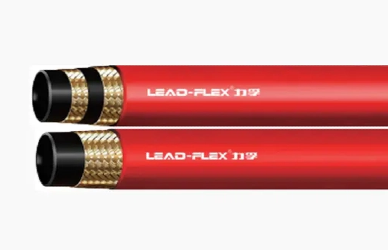
How to Maintain Heat-Resistant Hoses to Avoid Downtime
Proper maintenance of heat-resistant hoses is key to preventing system failures and minimizing downtime. Regular inspections and proper storage ensure hoses remain reliable and durable.
1.Best Practices for Routine Inspections and Proper Storage
Regular Inspections
Check for Damage: Look for cracks, blisters, and abrasions, which can lead to leaks or failure.
Examine Fittings: Ensure couplings and connections are secure and free of leaks.
Monitor Flexibility: Ensure the hose remains flexible, especially near bends or stress points.
Pressure and Temperature: Regularly check that the hose operates within its safe pressure and temperature limits.
Proper Storage
Store in a Cool, Dry Area: Keep hoses in a clean, dry location, away from direct sunlight and extreme temperatures.
Avoid Sharp Bends: Do not store hoses coiled too tightly to avoid damaging them.
Use Protective Covers: Use covers if the hoses are exposed to harsh conditions or outdoor environments.
2.Tips for Identifying and Addressing Potential Issues Before They Cause Failures
Look for Early Wear
Cracks or Degradation: Watch for cracks, fading, or discoloration, which indicate degradation.
Leaks: Regularly check fittings for leaks and replace hoses that show internal wear.
Monitor Operating Conditions
Regular Cleaning
Remove Contaminants: Clean hoses periodically to avoid build-up that can damage the hose or impede fluid flow.
FAQ
1.What is the ideal temperature range for a heat-resistant hose?
Heat-resistant hoses typically withstand temperatures between 300°F and 1,000°F, depending on the material and application.
2.How do I know if my heat-resistant hose is suitable for my system’s pressure?
Check the hose's pressure rating, which should be higher than your system’s maximum operating pressure to ensure safety.
3.Can heat-resistant hoses be used in all industries?
While heat-resistant hoses are vital in many industries, their specific features should match the system requirements of each application, such as chemicals or food processing.
4.How can I prevent my heat-resistant hose from deteriorating prematurely?
Regular inspections, proper storage, avoiding overpressure, and cleaning are key practices to extend the hose’s lifespan and prevent premature wear.
Conclusion
Proper maintenance of heat-resistant hoses is crucial for avoiding unexpected downtime and ensuring the efficient operation of high-temperature systems. Regular inspections, careful storage, and the ability to identify early signs of wear or damage can significantly extend the lifespan of the hoses, minimizing the risk of costly system failures. By consistently monitoring operating conditions and performing routine cleaning, you can keep the hoses functioning at their best, maintaining steady fluid flow and temperature control. Proactively addressing issues before they become major problems not only enhances the safety of your system but also improves overall efficiency, reducing the need for expensive repairs or unplanned shutdowns. Adopting these maintenance practices is essential for maximizing the performance and longevity of heat-resistant hoses, helping to ensure smoother operations and long-term reliability for your high-temperature systems.


