In industrial applications, wire braided hydraulic hoses are critical for safely and efficiently transferring fluids under high pressure. These hoses are used in various systems, from construction machinery to automotive and aerospace, where they must endure demanding conditions like extreme temperatures, high pressures, and exposure to harsh chemicals. To ensure their reliability and performance, these hoses are manufactured according to strict standards. Among the most widely recognized are the SAE (Society of Automotive Engineers), EN853 (European Norm), and GB (Guobiao) standards. These standards define the design, materials, pressure ratings, and testing procedures for hydraulic hoses, helping ensure that they meet the necessary requirements for specific industrial applications. Understanding these standards is crucial for selecting the appropriate hose for your needs, ensuring both safety and performance in high-pressure fluid transfer systems.
SAE Standards for Wire Braided Hydraulic Hoses
The SAE (Society of Automotive Engineers) standards are widely adopted for hydraulic hoses, defining the design, construction, and performance to ensure reliability in high-pressure systems. These standards set requirements for pressure, temperature, and material strength to ensure hoses perform well under demanding conditions.
1.Explanation of SAE Standards for Hydraulic Hoses
The SAE standards, particularly the SAE 100R series, specify hose construction and pressure ratings. Some common specifications include:
These standards ensure hoses are made from durable materials like synthetic rubber, thermoplastic, or composite, and they meet the pressure and temperature needs of various hydraulic systems.
2.Key Characteristics and Common Applications of Hoses Following SAE Standards
SAE hoses are known for:
Pressure Resistance: Ranging from 2000 psi to over 6000 psi.
Temperature Range: Typically -40°F to +250°F.
Flexibility: Even under high pressure, they maintain ease of installation.
Durability: The wire braid reinforcement protects against abrasion and wear.
Common applications:
Construction Equipment: Hydraulic systems in excavators, bulldozers, etc.
Automotive: Power steering lines, brake systems, and fuel systems.
Agriculture: Tractors and harvesters requiring high-pressure fluid transfer.
Industrial Machinery: Hydraulic presses and material handling systems.
3.Comparison to Other Standards and Suitability for Specific Applications
SAE vs EN853: SAE hoses are better suited for higher pressure applications, commonly used in industrial machinery and automotive systems. EN853, used in Europe, is more focused on medium-pressure systems.
SAE vs GB: SAE hoses, widely used in the U.S. and other regions, offer higher pressure performance than the cost-effective GB standard commonly used in China.
EN853 Standards for Wire Braided Hydraulic Hoses
The EN853 (European Norm) standard defines the specifications for hydraulic hoses, particularly those with wire braid reinforcement. It is widely used across Europe and in industries requiring medium-pressure hydraulic systems. EN853 hoses are recognized for their ability to withstand high pressures while offering flexibility and durability in demanding applications.
1.Overview of the EN853 Standard and Its Specifications
EN853 hoses are classified based on their construction and pressure rating. The standard includes two primary types:
EN853 1SN: A single-wire braided hose designed for medium-pressure applications. It is commonly used in systems where the pressure doesn’t exceed around 210 bar (3000 psi).
EN853 2SN: A double-wire braided hose, offering increased strength for higher-pressure applications, typically handling up to 400 bar (5800 psi).
The hoses are made with an inner tube of synthetic rubber, thermoplastic, or other elastomer materials, which are reinforced with one or two layers of steel wire braiding. The outer cover is typically resistant to abrasion, UV rays, and environmental factors, ensuring long-term reliability.
2.Differences Between EN853 and SAE Standards
While both EN853 and SAE standards govern wire braided hydraulic hoses, there are some key differences:
Construction:
EN853 focuses on a simpler construction with either a single or double-wire braid, depending on the pressure requirements. The materials and layers are often more standardized for European industrial applications.
SAE hoses, particularly in the SAE 100R series, may include additional reinforcement layers or different wire types, which are more tailored for high-pressure and automotive applications.
Pressure Ratings:
EN853 hoses are generally rated for medium-pressure applications. The single-wire braided EN853 1SN is typically rated for pressures up to 3000 psi, while the double-wire braided EN853 2SN can handle up to 5800 psi.
SAE hoses, especially the SAE 100R2 series, are designed for higher pressures and typically rated for up to 6000 psi or more, making them suitable for more demanding hydraulic systems.
Material Specifications:
EN853 hoses often use more standardized materials, typically focusing on synthetic rubbers and thermoplastics, whereas SAE hoses may have more flexibility in material selection to handle extreme conditions, such as exposure to high temperatures or harsh chemicals.
3.Applications Where EN853 Hoses Are Preferred
EN853 hoses are commonly used in industries requiring medium-pressure hydraulic systems. They are ideal for:
Agriculture: For equipment like tractors and harvesters, where medium-pressure hydraulic systems are common.
Construction: In machinery such as excavators, backhoes, and loaders, where hydraulic pressures are moderate but reliability is critical.
General Manufacturing: Used in machinery and systems where hydraulic pressure demands are within the medium-pressure range.
Mobile Equipment: EN853 hoses are also widely used in mobile hydraulic systems for lifting and fluid transfer.
These hoses are favored in applications where cost-effectiveness, medium-pressure resistance, and flexibility are prioritized over extreme pressure resistance.
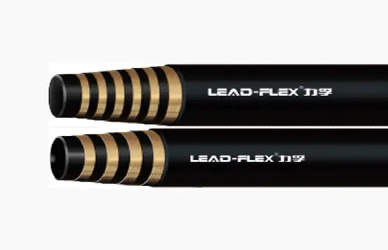
Comparing SAE, EN853, and GB Standards for Wire Braided Hydraulic Hoses
Hydraulic hoses are crucial in fluid transfer systems under high pressure. Understanding the key differences between SAE, EN853, and GB standards is essential for selecting the right hose for specific applications. These standards govern aspects such as pressure ratings, temperature ranges, and material specifications.
1. Key Differences in Pressure Ratings, Temperature Ranges, and Material Specifications
Pressure Ratings:
SAE hoses handle pressures from 2000 psi to over 6000 psi, suitable for high-demand systems.
EN853 hoses typically handle pressures from 3000 psi to 5800 psi, ideal for medium-pressure applications.
GB hoses usually follow similar pressure ratings to EN853, mainly for general-use applications in China.
Temperature Ranges:
SAE hoses operate in a range of -40°F to +250°F, with some higher-grade versions reaching up to +300°F.
EN853 hoses have a similar range but may not handle as high temperatures as SAE hoses.
GB hoses generally operate from -40°F to +220°F, suitable for typical industrial conditions but less resistant to extreme temperatures.
Material Specifications:
SAE hoses use high-strength materials for extreme durability and resistance to chemicals, oils, and heat.
EN853 hoses also use synthetic rubber and thermoplastic, but with less emphasis on extreme conditions compared to SAE hoses.
GB hoses are made from materials that are cost-effective for standard industrial use, though they may not have the same heat and chemical resistance as SAE hoses.
2. How Each Standard Influences Hose Design and Performance
SAE Standards:
SAE hoses are built for high-performance, extreme durability, and pressure resistance, making them ideal for high-stress applications in automotive, aerospace, and heavy machinery industries.
EN853 Standards:
EN853 hoses are designed for medium-pressure environments, focusing on flexibility, cost-effectiveness, and reliable performance in industries like agriculture, construction, and general manufacturing.
GB Standards:
GB hoses are best suited for general industrial use in China, offering a cost-effective solution for medium-pressure systems in applications such as construction and mining.
3. Suitability of Each Standard for Different Industrial Applications
SAE:
SAE hoses are preferred in high-pressure hydraulic systems across automotive, aerospace, and heavy machinery industries, where high performance and reliability are required.
EN853:
EN853 hoses are ideal for agriculture, construction, and light industrial machinery, where medium-pressure systems are common.
GB:
GB hoses are widely used in general industrial applications in China, offering reliable, cost-effective solutions for systems with moderate pressure requirements.
FAQ
1.What does the SAE standard for hydraulic hoses cover?
The SAE standard defines the construction, pressure ratings, and performance criteria for hydraulic hoses used in automotive and industrial applications.
2.How does EN853 differ from SAE standards?
EN853 offers similar pressure ratings but focuses more on European specifications, with differences in materials and hose construction tailored for certain industries.
3.What industries typically use GB-standard hydraulic hoses?
GB standards are commonly used in China and are suited for a variety of industries, including construction, mining, and manufacturing, offering affordable solutions.
4.Which standard should I choose for my hydraulic hose?
The choice depends on the application’s location, industry, and specific requirements like pressure, temperature, and durability. Each standard has its strengths based on region and use.
Conclusion
Understanding hydraulic hose standards such as SAE, EN853, and GB is crucial for selecting the right hose for your application. Each standard provides specific guidelines for pressure ratings, temperature ranges, and material specifications, which directly impact hose durability, flexibility, and overall performance in various industrial environments. By recognizing the differences between these standards, you can make informed decisions that ensure optimal safety, efficiency, and longevity of hydraulic systems. Whether you're working in high-pressure environments like automotive or aerospace (SAE), medium-pressure systems in agriculture or construction (EN853), or general industrial applications (GB), choosing the right hydraulic hose based on these requirements is key to maintaining performance and reducing the risk of failure. A thorough understanding of hose standards allows you to tailor your hose selection to the specific needs of your machinery, ensuring reliable, cost-effective, and long-lasting operation.


