Fluid transfer systems are fundamental to a wide range of industrial applications, from manufacturing processes to energy production, where the controlled movement of fluids is essential for operational success. These systems are responsible for transporting liquids, gases, and other substances through pipes, hoses, and valves, often under high pressure or extreme temperatures. The efficiency and effectiveness of fluid transfer systems directly impact productivity, operational costs, and safety. Given the critical role they play, ensuring safety and reliability is paramount. A failure in the fluid transfer system, such as leaks, pressure fluctuations, or material degradation, can lead to significant downtime, costly repairs, and potential safety hazards. Therefore, careful consideration of system design, component selection, and maintenance practices is necessary to ensure that fluid transfer systems perform optimally and safely under various conditions.
Key Components of Fluid Transfer Systems
Industrial fluid transfer systems depend on several key components to ensure smooth, efficient, and safe fluid movement. Each part plays a role in maintaining system performance and preventing failure.
1. Hoses and Pipes: Materials and Design Considerations
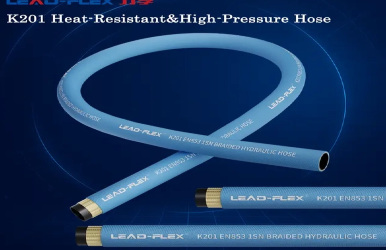
Hoses and pipes are the primary means of fluid transport. Proper material and design selection are essential for durability.
Materials:
Stainless steel is commonly used for its resistance to corrosion, heat, and pressure. Rubber and thermoplastics are ideal for flexible hoses, especially in chemical handling.
Design Considerations:
The diameter, wall thickness, and pressure ratings of hoses and pipes must match the fluid's flow and pressure requirements. Flexible hoses are used for confined spaces, while rigid pipes are preferred for high-pressure or long-distance transfers.
2. Pumps and Valves: Ensuring Efficient Fluid Flow and Pressure Control
Pumps and valves regulate fluid flow and pressure in the system.
Pumps:
Pumps move fluids through the system, overcoming resistance and maintaining flow. Types include centrifugal, positive displacement, and diaphragm pumps, chosen based on fluid type, flow rate, and pressure.
Valves:
Valves regulate, direct, or stop fluid flow, with types like ball, gate, and check valves ensuring proper pressure control and flow direction.
3. Seals and Fittings: Preventing Leaks and Ensuring Tight Connections
Seals and fittings prevent leaks and ensure secure connections between system components.
Seals:
Seals like rubber, PTFE, or metal prevent fluid leaks under pressure and temperature, ensuring safety and preventing contamination.
Fittings:
Fittings, such as flanged, compression, or threaded, connect hoses, pipes, and valves. Proper fittings are crucial to maintain a leak-free system.
Ensuring Safety in Fluid Transfer Systems
Ensuring safety in industrial fluid transfer systems is paramount, as these systems handle high-pressure fluids that, if not properly managed, can lead to dangerous leaks, contamination, or system failure. Focusing on key safety aspects like pressure resistance, leak prevention, and material compatibility is crucial to maintaining safe and efficient operations.
1. Pressure Resistance: Importance of Choosing the Right Components
Selecting the right components to withstand system pressure is vital to ensuring safe operation. Hydraulic hoses, pipes, and fittings must be rated for the specific pressures they will encounter in the system. If the components are not adequately designed to handle the internal pressures, there is a significant risk of bursting, which could lead to hazardous fluid spills or system shutdowns. High-quality reinforced hoses and pressure-rated fittings are essential for maintaining safety in high-pressure environments. Choosing the correct pressure rating ensures that components can handle pressure surges and fluctuations, reducing the risk of failure.
2. Leak Prevention: Role of High-Quality Seals, Fittings, and Regular Inspections
Leak prevention is crucial in any fluid transfer system, as even small leaks can lead to significant safety hazards, including environmental contamination and fire risks. Seals and fittings play a critical role in ensuring tight connections and preventing leaks. High-quality seals, made from materials like rubber, PTFE, or metal, ensure that connections remain leak-proof even under high pressure and temperature. Regular inspections of seals, fittings, and connections help identify wear or damage before it leads to failure, maintaining system integrity and preventing leaks. Pressure relief valves can also be installed to prevent leaks caused by excessive pressure.
3. Material Compatibility: Choosing Materials Resistant to Chemicals and Extreme Temperatures
Material compatibility is essential for ensuring that the components of a fluid transfer system can withstand the chemicals and temperatures they are exposed to. Chemical-resistant materials such as stainless steel, fluoropolymers, and composite materials help prevent degradation, corrosion, and reactions with the fluid being transported. High-temperature-resistant materials like thermoplastic elastomers or silicone are necessary for systems that deal with extreme heat. Choosing materials that are resistant to both chemicals and high temperatures ensures that the system will function safely and reliably over time, preventing breakdowns due to material failure.
Common Challenges and Solutions in Fluid Transfer Systems
Industrial fluid transfer systems face a variety of challenges, particularly when dealing with harsh operating environments, fluctuating pressures, and the risk of system downtime. Identifying these challenges and implementing effective solutions is essential to ensure the safe, efficient, and continuous operation of these systems. Below are common challenges and solutions for fluid transfer systems.
1. Corrosion and Wear: Managing the Effects of Harsh Chemicals and Extreme Temperatures
Challenge:
Fluid transfer systems are often exposed to harsh chemicals, high temperatures, and abrasive environments that can cause corrosion and material degradation over time. This can lead to weakened hoses, pipes, and seals, increasing the risk of leaks, contamination, and system failure.
Solution:
To manage corrosion and wear, it is critical to select materials that are resistant to chemicals and extreme temperatures. Stainless steel is a popular choice for its corrosion resistance, while fluoropolymer hoses offer excellent resistance to aggressive chemicals. High-temperature-resistant materials like silicone or thermoplastics can also prevent thermal degradation. Additionally, applying protective coatings to metal components and regular inspections for signs of wear can help extend the lifespan of the system.
2. Pressure Surges: Mitigating Risks Associated with Fluctuating Pressure Levels
Challenge:
Pressure surges, also known as water hammer, occur when there is a sudden change in the flow of fluid, causing pressure spikes in the system. These surges can damage pipes, hoses, and valves, leading to leaks, bursts, and system failure.
Solution:
To mitigate the risks of pressure surges, pressure relief valves and accumulators can be installed to absorb excess pressure and prevent damage. Flexible hoses and piping systems can also be used to accommodate pressure fluctuations. Additionally, implementing controlled flow systems and ensuring that pumps and valves operate smoothly can help reduce the impact of pressure changes.
3. System Downtime: Strategies to Reduce Downtime and Improve System Uptime
Challenge:
System downtime, whether caused by component failure, maintenance, or unforeseen issues, can lead to significant productivity loss, increased costs, and operational delays.
Solution:
To reduce downtime and improve uptime, it is essential to implement preventive maintenance practices, such as regular inspections, cleaning, and testing of hoses, pipes, and pumps. Monitoring systems with sensors can detect early signs of potential failures, allowing for timely repairs or replacements. Additionally, keeping a stock of critical spare parts and establishing quick-response teams can minimize downtime in case of an emergency. Investing in reliable, high-quality components from the start also reduces the likelihood of unplanned maintenance.
FAQ
1.What are the most common materials used for industrial fluid transfer systems?
Common materials include stainless steel, rubber, thermoplastic, and composites. These materials are chosen for their durability, flexibility, and resistance to chemicals, heat, and pressure. Stainless steel is favored for its corrosion resistance, while rubber and thermoplastics offer flexibility and resistance to chemicals. Composites combine strength with resistance to harsh environments.
2.How do pressure surges affect fluid transfer systems?
Pressure surges, or "water hammer," occur when there is a sudden change in fluid flow, causing a rapid pressure increase. This can damage pipes, hoses, and valves. Pressure relief valves and accumulators help manage surges and prevent system damage.
3.Why is routine maintenance critical for fluid transfer systems?
Routine maintenance ensures reliable operation by detecting wear early and preventing leaks and downtime. It extends component lifespan and reduces overall maintenance costs.
4.How can material compatibility affect the safety of fluid transfer systems?
Using incompatible materials can cause chemical degradation, leaks, or failures. Proper material selection ensures the system can withstand chemicals, pressure, and temperature, maintaining safety and integrity.
Conclusion
Ensuring safety and reliability in fluid transfer systems is critical for maintaining optimal performance and preventing costly downtime. Best practices involve selecting high-quality components that are well-suited for the specific fluid types, pressure levels, and environmental conditions. This includes choosing materials that are resistant to pressure, abrasion, chemicals, and extreme temperatures. Ensuring compatibility between hoses, pumps, valves, seals, and fittings is essential for preventing leaks, failures, and potential system damage. Proper pressure management, including the use of pressure relief valves and accumulators, helps mitigate risks from pressure surges. Regular inspections, maintenance, and timely replacements of worn-out parts play a significant role in extending the lifespan of system components, minimizing unplanned downtime, and enhancing overall system reliability. By focusing on the right component selection, proper maintenance, and compatibility with system conditions, industrial fluid transfer systems can operate safely, efficiently, and reliably over the long term, contributing to the smooth operation of industrial processes.


