High-temperature hoses are essential components in many manufacturing processes, playing a critical role in maintaining safety, efficiency, and consistency in systems exposed to extreme temperatures. These hoses are specially designed to withstand high heat without degrading, ensuring that heat transfer and fluid flow continue seamlessly in applications such as molding, heat treatment, drying, cooling, and energy transfer. In manufacturing, where precision and reliability are crucial, high-temperature hoses help ensure that processes like plastic extrusion, metal forging, and power generation run smoothly without disruptions. The right high-temperature hose enhances system performance, reduces the risk of failure, and extends the life of equipment, making it a vital part of modern industrial operations.
Applications of High-Temperature Hoses in Manufacturing
High-temperature hoses are critical components in various manufacturing processes where the precise management of heat and fluid flow is essential. These hoses are specially engineered to withstand extreme temperatures and pressures, ensuring smooth, efficient operations while minimizing the risk of downtime or system failures. Their versatility across different industries makes them indispensable in applications involving molding, heat treatment, drying, cooling, and energy transfer.
1. Molding and Extrusion
In molding and extrusion processes, high-temperature hoses are essential for transporting heated liquids or gases needed to shape materials like plastic, rubber, or metal. These materials must be heated to specific temperatures to achieve the desired properties and shapes. High-temperature hoses ensure that the right temperature is consistently applied throughout the process, preventing overheating or temperature inconsistencies that could compromise the quality of the finished product. Whether in automotive manufacturing or consumer goods production, the ability to regulate heat precisely helps maintain high production efficiency and product quality.
2. Heat Treatment
Heat treatment is a critical process in manufacturing, particularly in the production of metals and alloys. This process involves heating materials to specific temperatures to alter their physical properties, such as hardness or ductility. High-temperature hoses are used to transfer thermal fluids in heat treatment furnaces and ovens, where they facilitate uniform temperature distribution. These hoses withstand extreme heat and high-pressure conditions, ensuring consistent fluid flow, which is crucial for maintaining precise temperatures and ensuring the desired mechanical properties in treated materials.
3. Drying Systems
High-temperature hoses are also essential in drying systems, where they help maintain consistent temperatures for drying various materials like textiles, food, or chemicals. In industries such as food processing or textiles, efficient drying is crucial to product quality and production efficiency. These hoses transfer hot air or steam to drying chambers, ensuring that products are dried evenly and quickly. Their ability to withstand high temperatures and pressure ensures that the drying process is not only faster but also more energy-efficient, reducing the risk of product damage caused by uneven heating.
4. Cooling Systems
In many industrial machines and equipment that operate at high temperatures, cooling systems are necessary to prevent overheating. High-temperature hoses are used to circulate cooling fluids through equipment such as engines, turbines, and compressors. By maintaining optimal operating temperatures, these hoses help extend the life of the machinery and prevent costly failures. For example, in power plants or heavy machinery, high-temperature hoses are used to transport coolants efficiently, ensuring that equipment operates at peak performance without the risk of thermal damage.
5. Energy Transfer in Power Generation
In power generation, particularly in thermal and geothermal energy plants, high-temperature hoses play a vital role in transferring heat from boilers, reactors, or solar collectors to turbines or storage systems. These hoses are designed to handle high-pressure, high-temperature thermal fluids such as oils or water, ensuring efficient energy transfer throughout the system. By maintaining optimal temperatures, high-temperature hoses help maximize energy output and ensure that power generation systems function reliably and efficiently. This is especially important in reducing energy losses and ensuring the safety of the plant.
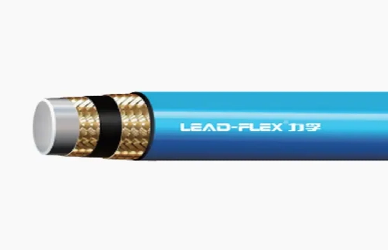
Features of High-Temperature Hoses in Manufacturing
High-temperature hoses are essential in manufacturing processes that involve the transfer of thermal fluids, heated air, or steam at extreme temperatures. These hoses must be designed to withstand demanding conditions to ensure the safe, reliable, and efficient operation of systems. Below are the key features to look for when selecting high-temperature hoses for manufacturing applications.
1. Temperature Resistance
The ability of a high-temperature hose to withstand extreme temperatures is one of the most critical factors in its performance. Manufacturing processes such as molding, heat treatment, and power generation often involve temperatures that can range from 300°F to 1,000°F or more. A hose that cannot withstand these temperatures will degrade quickly, potentially leading to leaks, failures, or system shutdowns. Therefore, selecting a hose with the appropriate temperature resistance ensures that it can handle continuous exposure to high heat without losing its flexibility or structural integrity. This is crucial for maintaining consistent fluid flow and preventing the hose from breaking down during critical operations.
2. Pressure Ratings
Manufacturing systems often involve high-pressure environments, especially in processes like hydraulic systems, fluid transfer, and chemical reactions. High-temperature hoses must be able to handle the pressure within these systems to prevent ruptures, leaks, or dangerous failures. The pressure rating of the hose indicates the maximum pressure it can withstand without compromising its integrity. It is essential to choose hoses with pressure ratings that exceed the maximum expected pressure in your system. This ensures safety and reliability, particularly in high-pressure systems that are exposed to both temperature and pressure extremes.
3. Material Durability
The durability of a high-temperature hose is largely determined by the materials used in its construction. In manufacturing environments, hoses are exposed to a variety of factors, including mechanical wear, chemical exposure, and high temperatures. The hose material must be resistant to these stresses to avoid premature failure. Materials such as silicone, fluoropolymer, and braided steel are often used for their excellent resistance to heat, chemicals, and physical wear. These materials help ensure the hose maintains its performance over time, even in harsh environments. Choosing a hose made from durable materials minimizes the need for frequent replacements and reduces the risk of downtime caused by hose failure.
Maintenance and Care of High-Temperature Hoses
High-temperature hoses are essential in industries that require heat transfer and fluid circulation. Proper maintenance ensures their longevity and optimal performance, especially in demanding applications. Below are best practices for inspection, cleaning, and storage.
1.Best Practices for Inspection, Cleaning, and Storage
Routine Inspections
Check for Damage: Inspect hoses for cracks, abrasions, or bulges that could cause failure.
Examine Fittings: Ensure fittings are secure and leak-free to avoid fluid loss and inefficiency.
Monitor Pressure and Temperature: Look for signs of overheating or pressure issues, which can indicate the hose is compromised.
Cleaning Procedures
Regular Cleaning: Clean hoses to remove contaminants and ensure efficient fluid flow.
Flush Fluids: Flush hoses when changing fluids to prevent contamination and protect hose material.
Use Compatible Cleaners: Only use cleaning agents that are safe for the hose material to avoid damage.
Proper Storage
Store in a Cool, Dry Place: Keep hoses away from direct sunlight and extreme temperatures to avoid degradation.
Avoid Tight Coiling: Store hoses loosely to prevent kinks and internal stress.
Use Protective Covers: Protect hoses from UV rays, dirt, and damage when stored outdoors.
2.How to Ensure Longevity and Optimal Performance
Proper Installation
Use Hoses Within Limits
Monitor Conditions: Keep hoses within their rated temperature, pressure, and fluid type limits.
Routine Fluid Checks: Regularly check for contamination or degradation and replace fluids as needed.
Perform Preventive Maintenance
Replace Worn Hoses: Replace hoses showing signs of wear to avoid failure and downtime.
Reinforce Stress Points: Pay attention to areas of the hose that experience frequent stress, such as bends or connection points.
FAQ
1.What is the maximum temperature a high-temperature hose can handle?
High-temperature hoses can typically handle temperatures from 300°F to 1,000°F, depending on the material and application.
2.How do I know if my hose is suitable for high-pressure systems?
Ensure the hose has a pressure rating that exceeds the maximum operating pressure of your system to ensure safety and reliability.
3.What materials are commonly used for high-temperature hoses in manufacturing?
Materials such as silicone, fluoropolymer, and braided steel are commonly used for their resistance to heat, pressure, and chemicals.
4.How often should high-temperature hoses be replaced?
The replacement schedule depends on the hose’s condition, but regular inspections should be performed every 6 to 12 months or based on manufacturer recommendations.
Conclusion
Selecting the right high-temperature hose is crucial for ensuring the efficiency, safety, and reliability of manufacturing processes. These hoses are designed to withstand extreme temperatures and pressures, making them indispensable in applications such as molding, heat treatment, drying, and energy transfer. By choosing a hose that meets the specific requirements of your system—whether it's temperature resistance, pressure rating, or material durability—you can avoid costly downtime, prevent system failures, and maintain consistent performance. High-temperature hoses not only help improve operational efficiency but also ensure the safety of workers and equipment by minimizing the risk of leaks, overheating, or failure. Ultimately, investing in the right high-temperature hose contributes to smoother operations, reduced maintenance costs, and a safer, more efficient industrial environment.


