Hydraulic hoses are vital components in fluid power systems, responsible for transferring hydraulic fluids under pressure between various parts of machinery and equipment. These hoses enable efficient transmission of energy in applications such as construction, manufacturing, automotive, and aerospace industries. The performance and reliability of hydraulic hoses are crucial for the safe and smooth operation of these systems. A key factor influencing their functionality is the construction of the hose itself, particularly the reinforcement layers. These reinforcement layers are designed to provide strength, durability, and resistance to external forces, allowing the hose to withstand high pressures, abrasion, and environmental factors. The choice and design of these layers play a critical role in determining the hose’s overall performance and longevity, making them an essential aspect of hydraulic hose construction.
What are Reinforcement Layers in Hydraulic Hoses?
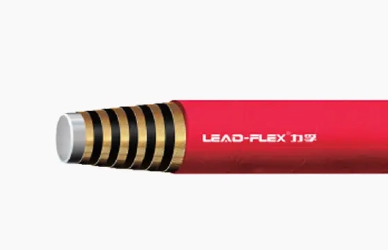
Reinforcement layers are essential for enhancing the durability and performance of hydraulic hoses. These layers provide structural support, enabling hoses to withstand high pressure, mechanical stress, and environmental wear. Common reinforcement materials include steel wire and synthetic fibers, which offer strength while maintaining the hose’s flexibility.
1.Materials Used in Reinforcement Layers
Steel Wire:
Steel wire reinforcement provides strength and pressure resistance. It is woven into braids or spirals, offering durability and resistance to abrasion, making it ideal for heavy-duty applications.
Synthetic Fibers:
Synthetic fibers like polyester or aramid (Kevlar) offer strength while maintaining flexibility and resistance to UV, oils, and chemicals. These fibers are used in lighter-duty hoses that require corrosion resistance.
Textile Braids:
Textile braids provide flexibility and moderate pressure resistance. They are typically used in applications where high pressure is less critical, but strength and flexibility are needed.
2.Function of Reinforcement Layers in Providing Structural Support
Pressure Resistance:
Reinforcement layers allow hoses to withstand the internal pressures of hydraulic systems without bulging or bursting, ensuring safe fluid transfer.
Mechanical Strength:
These layers prevent kinking, elongation, and crushing, allowing hoses to bend without losing integrity, making them suitable for dynamic systems with frequent movement.
Protection Against External Damage:
Reinforcement layers guard against abrasions, cuts, and impacts, offering resistance to wear and environmental factors like UV rays and chemicals.
Flexibility and Durability:
Despite their strength, reinforcement layers allow hoses to remain flexible, making them easy to route through tight spaces while ensuring long-lasting performance.
Impact of Reinforcement Layers on Pressure Resistance
Reinforcement layers are essential in hydraulic hose construction, especially when it comes to enhancing pressure resistance. These layers are strategically designed to ensure that hoses can withstand the high pressures typically encountered in hydraulic systems. Without reinforcement, hoses would be unable to handle the demanding environments they are used in, risking failure and compromising the safety and performance of the system.
1.How Reinforcement Layers Enhance a Hose’s Ability to Withstand High-Pressure Environments
Distribution of Internal Pressure:
Reinforcement layers, typically made from steel wire or synthetic fibers, provide structural support that helps distribute the internal pressure evenly throughout the hose. This prevents localized pressure build-up, which could otherwise cause the hose to burst. The layers effectively spread the force across the hose’s surface, enhancing its ability to handle sustained high-pressure conditions.
Increased Strength:
The materials used in reinforcement layers—such as high-tensile steel wire or strong synthetic fibers—add significant strength to the hose. Steel wire, for example, is known for its high tensile strength and resistance to deformation, allowing the hose to maintain its shape and resist stretching or expansion under pressure. This reinforcement makes the hose more robust and capable of maintaining fluid flow even in high-pressure hydraulic systems.
Pressure Flexibility:
Reinforced hoses are designed to retain flexibility while being able to handle extreme pressures. The reinforcement layers allow the hose to bend and move without losing its ability to withstand pressure, making it suitable for systems that require dynamic movement or flexibility in confined spaces.
2.The Role of Layers in Preventing Hose Failure and Rupture
Prevention of Burst or Rupture:
The primary function of reinforcement layers is to prevent hose rupture or bursting under high pressure. These layers create a “strengthened barrier” that resists the pressure inside the hose, making it far less likely to fail. If the reinforcement were absent or insufficient, the hose would be more susceptible to rupturing under internal pressure, which could result in hazardous fluid leaks and system shutdowns.
Improved Durability:
Reinforcement layers also protect the hose from external damage, such as abrasion, crushing, or impact, which could compromise the hose’s pressure resistance. This durability is crucial for hoses used in rugged environments, such as construction or mining, where they face exposure to sharp objects, heavy machinery, or intense mechanical stress. The additional strength prevents wear and tear from leading to pressure-related failures.
Pressure Surges:
Hydraulic systems often experience pressure surges, where the pressure quickly spikes above normal operating levels. Reinforcement layers help hoses handle these sudden increases in pressure by providing additional support that prevents failure during these moments of stress. This makes reinforced hydraulic hoses more reliable in systems where pressure fluctuations are common.
Reinforcement Layers and Hose Flexibility
Balancing strength and flexibility is key in hydraulic hose construction. Reinforcement layers provide durability and pressure resistance while allowing hoses to bend and flex without compromising performance.
1.How Reinforcement Layers Influence Hose Bend Radius
Hose Bend Radius:
Reinforcement layers affect the hose’s bend radius. More reinforcement, such as steel wire, makes the hose stiffer and increases the bend radius, while fewer layers allow tighter bends but may reduce pressure resistance.
Material Impact on Flexibility:
Steel wire offers strength but reduces flexibility. Synthetic fibers, like polyester or Kevlar, increase flexibility while providing adequate strength, balancing flexibility and strength for specific needs.
2.How Reinforcement Materials Contribute to Flexibility in Different Applications
Steel Wire Reinforcement:
Steel wire increases pressure resistance but limits flexibility. It’s ideal for heavy-duty applications in industries like construction and automotive, where pressure is key.
Synthetic Fiber Reinforcement:
Synthetic fibers provide flexibility and strength, making them suitable for applications needing frequent movement, like agriculture and mobile equipment.
Spiral vs. Braided Reinforcement:
Spiral reinforcement offers more flexibility, while braided reinforcement provides better strength and protection. Spiral hoses are used in machinery, while braided hoses suit high-pressure systems.
Textile Reinforcement:
Textile-reinforced hoses offer flexibility for lighter-duty applications, like agriculture, where both flexibility and moderate pressure resistance are needed.
Effect on Abrasion and Chemical Resistance
Reinforcement layers in hydraulic hoses are crucial for protecting against wear, tear, and chemical exposure, enhancing durability in harsh environments.
1.How Reinforcement Layers Help Resist Wear and Tear
Abrasion Resistance:
Steel wire braids or spiral reinforcements protect hoses from friction and abrasion, maintaining integrity in rough environments like construction or mining.
Impact Protection:
Reinforcement layers provide structural support, allowing hoses to withstand bending, twisting, and impacts without damage.
2.Role of Materials in Chemical Resistance and Protection
Chemical Resistance:
Materials like synthetic rubber and thermoplastic in the outer cover provide resistance to oils, solvents, and chemicals, preventing degradation in industries like oil and gas.
UV and Environmental Protection:
Reinforced hoses are designed with UV-resistant materials to protect against sun damage, ensuring long-lasting performance outdoors.
Corrosion Resistance:
Steel wire, often coated, resists rust and corrosion, making the hoses durable in corrosive environments like marine or chemical processing.
Impact of Reinforcement Layers on Hose Lifespan
Reinforcement layers are key to extending the lifespan of hydraulic hoses. The number and quality of these layers determine the hose’s ability to endure pressure, wear, and harsh environments.
1.How the Number and Quality of Reinforcement Layers Affect Hose Durability
Number of Layers:
More reinforcement layers improve pressure resistance and durability. Hoses with multiple layers, like double or triple braids, resist expansion and rupture, reducing early failure.
Quality of Materials:
High-quality materials, such as steel wire or synthetic fibers, provide better strength, flexibility, and resistance to abrasion, chemicals, and UV, helping the hose last longer.
2.The Role of Reinforcement in Prolonging the Operational Lifespan
Pressure Resistance:
Reinforced hoses withstand high pressure, preventing bursts and extending their service life by handling pressure surges safely.
Protection Against External Damage:
Reinforcement layers protect against abrasions, cuts, and impacts, maintaining the hose's integrity and preventing premature degradation.
Temperature and Chemical Resistance:
Reinforced hoses can endure extreme temperatures and chemicals, preventing thermal or chemical damage and ensuring longer functionality.
FAQ
1.What materials are commonly used for reinforcement layers in hydraulic hoses?
Common materials include steel wire, synthetic fibers, and textile braids, each providing unique benefits in strength and flexibility.
2.How do reinforcement layers affect the flexibility of a hydraulic hose?
The type and arrangement of reinforcement layers impact the hose’s bend radius, balancing flexibility with strength to suit various applications.
3.Can hydraulic hoses with more reinforcement layers withstand higher pressures?
Yes, hoses with multiple reinforcement layers are generally designed to handle higher pressures, providing greater strength and stability.
4.How do reinforcement layers improve the abrasion resistance of hydraulic hoses?
Reinforcement layers help protect the hose from external wear by offering additional protection against friction, impacts, and environmental factors.
Conclusion
Reinforcement layers are crucial to the performance and longevity of hydraulic hoses. They enhance pressure resistance, protect against abrasion, and ensure flexibility, allowing hoses to withstand demanding conditions in various industrial applications. The number and quality of reinforcement layers directly influence a hose's durability, making it more reliable under pressure, temperature fluctuations, and environmental stress.
When selecting hydraulic hoses, choosing the right reinforcement materials is essential for meeting the specific demands of the system. High-quality materials like steel wire or synthetic fibers ensure optimal performance, while the appropriate reinforcement type (braided, spiral, or textile) should align with the system's pressure, flexibility, and environmental requirements. Proper selection of reinforcement layers guarantees hose longevity, reliability, and efficiency in critical applications.


