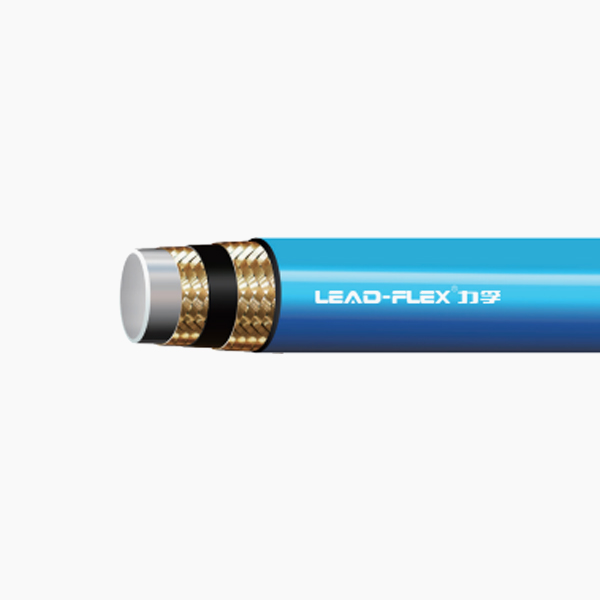
Moving fluid power systems outdoors introduces severe operational variables. Sunlight, extreme temperature shifts, and highly abrasive environments rapidly degrade standard rubber components. Premature hose failure in mobile equipment or outdoor stationary rigs creates massive headaches. You face unexpected downtime, severe environmental hazards, and significant safety risks. To solve this, evaluating a Thermoplastic Hydraulic Hose requires strict adherence to environmental and operational criteria before procurement. This guide breaks down the essential technical checkpoints needed to validate your specification. We will explore specialized material requirements, outline critical industry frameworks, and detail how to ensure long-term reliability. By following these steps, you can confidently specify components built to survive the harshest outdoor conditions.
Key Takeaways
Outdoor applications require specific outer cover materials (like UV-stabilized polyurethane) to resist ozone and solar degradation.
Applying the industry-standard S.T.A.M.P.E.D. framework ensures all operational variables—size, temperature, application, media, pressure, ends, and delivery—are verified.
A fiber reinforced hydraulic hose offers critical weight reductions and flexibility for outdoor mobile equipment without sacrificing pressure ratings.
Verifying ISO and SAE compliance is a non-negotiable step for baseline safety and system reliability.
The S.T.A.M.P.E.D. Framework for Outdoor Applications
Adapting the standard fluid power selection framework is necessary for outdoor environmental stressors. The S.T.A.M.P.E.D. method provides a systematic approach. It prevents engineers from overlooking critical environmental factors. You must evaluate every operational variable against the realities of outdoor exposure.
Size & Flow Tolerances
Checking the inside diameter (ID) and outside diameter (OD) is your first step. Tighter tolerances matter deeply in compact outdoor machinery. Thermoplastic construction generally yields a smaller OD compared to traditional rubber for the same ID. This compact profile aids routing through crowded booms on excavators or forestry equipment. You ensure adequate fluid velocity while preventing the hose from rubbing against moving mechanical linkages.
Application-Specific Stressors
Outdoor operations introduce unique physical exposure risks. You must identify these hazards early. Equipment drags lines over gravel, concrete, and mud. Cold weather causes continuous flexing to become a major structural strain. Operators often subject mobile equipment to blunt impacts. You need to map these exact physical stressors to select the appropriate cover material and reinforcement layer.
End Fittings in Harsh Environments
Fittings represent a common failure point in outdoor setups. Rain, salt spray, and chemical fertilizers cause rapid galvanic corrosion. You must verify the corrosion resistance of all couplings. Standard carbon steel fittings rust quickly when exposed. We recommend specifying zinc-nickel plating or solid stainless steel ends. These materials preserve the integrity of the crimp over the system's lifespan.
Assessing UV, Ozone, and Abrasion Resilience
Outdoor environments attack materials continuously. Understanding how environmental degradation occurs helps you prevent it. You need to specify materials engineered specifically to block these natural forces.
The Risk of Environmental Degradation
Prolonged UV exposure and atmospheric ozone break down molecular bonds in standard polymers. This process causes severe embrittlement. Micro-cracking develops along the outer cover. Once the cover cracks, moisture penetrates the reinforcement layers. This leads to rapid structural decay. Non-optimized covers simply cannot survive extended periods in direct sunlight without degrading.
Cover Material Verification
Specifying the right engineered thermoplastic is critical for longevity. UV-stabilized polyurethane provides exceptional resistance to solar radiation. It blocks the photo-oxidation process. This keeps the jacket flexible and intact over years of outdoor service. You should always demand material data sheets to verify the presence of UV inhibitors. Never assume a black outer cover automatically provides UV resistance.
Abrasion Resistance Requirements
Outdoor dirt, rocks, and equipment friction act like sandpaper. Thermoplastic covers offer superior abrasion resistance compared to traditional rubber. Polyurethane covers slide over obstacles rather than tearing. They resist gouging when dragged across abrasive ground. This resilience eliminates the need for bulky, secondary protective sleeving in many applications.
Common Mistakes to Avoid
Failing to account for reflected UV radiation from snow or water.
Ignoring ozone generated by nearby high-voltage electrical equipment.
Using standard rubber hoses in high-friction mobile routing paths.
Performance Under Extremes: Specifying High Pressure Thermoplastic Hose
Outdoor machinery operates in unpredictable climates. Pressure demands fluctuate wildly during heavy work cycles. A high pressure thermoplastic hose delivers consistent performance across these extremes. You must validate its thermal and pressure handling capabilities.
Temperature Volatility
You must evaluate the working temperature range carefully. Outdoor equipment experiences freezing mornings and scorching afternoons. Check for flexibility retention in sub-zero environments. Certain thermoplastic compounds remain pliable down to -40°C. Likewise, they maintain structural stability during high-heat operation. Heat softens inferior materials, leading to pressure blowouts. Ensure the hose rating exceeds your maximum anticipated ambient and fluid temperatures.
Pressure Ratings and Volumetric Expansion
You must differentiate between maximum working pressure and minimum burst pressure. Working pressure represents the safe continuous limit. Burst pressure is the absolute failure point. Thermoplastic designs excel at maintaining dimensional stability under intense pressure spikes. They exhibit remarkably low volumetric expansion. This means the hose does not swell significantly when pressurized. Low expansion ensures precise, snappy hydraulic control for joysticks in cranes and lifts.
Dimensional Stability Comparison
Performance Metric
Thermoplastic Construction
Traditional Rubber Equivalent
Volumetric Expansion
Very Low (Maintains precise control)
Moderate to High (Can cause sluggish response)
Cold Weather Flexibility
Excellent (Engineered down to -40°C)
Prone to stiffening and micro-cracking
High-Heat Stability
Maintains rigid pressure ratings
Can soften, risking burst under spike loads
Structural Integrity: The Role of Fiber Reinforcement
Strength does not always require heavy steel wire. Synthetic reinforcement revolutionizes how we design mobile hydraulic circuits. It offers significant advantages for outdoor machinery.
Weight vs. Strength Analysis
Heavy equipment benefits greatly from weight reduction. A fiber reinforced hydraulic hose provides high tensile strength while drastically reducing overall system weight. Manufacturers weave aramid, polyester, or Kevlar fibers tightly around the core tube. These synthetic materials match or exceed the burst pressures of traditional steel braids. You lighten the load on booms, extension arms, and internal routing channels.
Flex Fatigue and Routing
You must evaluate the minimum bend radius for compact machinery. Fiber reinforcement allows for extremely tight routing. It navigates complex machinery layouts effortlessly. Traditional steel-braided hoses suffer from wire fatigue. Continuous flexing bends the metal until it snaps internally. Synthetic fibers eliminate this fatigue mechanism. They endure millions of flex cycles in boom tracks without degrading.
Corrosion Immunity
Moisture inevitably finds a way into mechanical systems. Here, synthetic reinforcement offers a massive structural advantage. In highly corrosive outdoor environments, steel wire rusts rapidly if the outer cover sustains damage. Rust destroys the pressure-holding capability. Synthetic fibers possess complete immunity to rust. Even if a rock gouges the outer polyurethane cover, the internal aramid or polyester will never corrode.
Fluid Compatibility: Consolidating with a Multi Fluid Hydraulic Hose
Managing multiple fluid types in a fleet complicates maintenance. You need versatile components. Selecting the right inner core tube simplifies everything.
Core Tube Material Evaluation
Checking the inner tube for chemical inertness is vital. Most thermoplastic assemblies use seamless nylon or polyester cores. Nylon provides an incredibly smooth inner surface. This reduces flow friction and heat generation. More importantly, nylon resists chemical attack from aggressive fluids. It will not swell, degrade, or leach contaminants into the hydraulic system.
Versatility in the Field
Specifying a multi fluid hydraulic hose simplifies procurement. You stock one component for various machines. We must assess compatibility across a wide spectrum of media. These inner cores handle standard petroleum-based oils seamlessly. They also accept synthetic lubricants and aggressive water-glycol mixtures. Furthermore, outdoor and marine applications increasingly mandate Environmentally Acceptable Lubricants (EALs). Thermoplastic cores handle EALs without the softening issues seen in standard rubber.
Best Practices for Fluid Compatibility
Verify the exact chemical family of the hydraulic fluid in use.
Consult the manufacturer's compatibility chart for the specific core material.
Account for temperature changes, as heat accelerates chemical degradation.
Pre-Installation Checklist and Compliance Validation
Proper specification means little without quality control. You must validate the product upon arrival. Pre-installation checks prevent catastrophic operational failures.
Visual Defect Inspection
Maintenance and assembly teams must inspect hoses straight out of the box. Look for any visible kinks along the length. Check the cover for blisters or pinholes. Examine the cut ends for concentricity issues. An off-center core tube creates weak points during crimping. If the wall thickness varies, the fitting will not secure properly. Reject any batch showing these visual defects.
Testing and Certification Documentation
Never rely solely on visual checks. Demand comprehensive proof from the manufacturer. You need batch testing reports. Request pressure test certificates that validate the stated burst limits. Material certifications confirm the exact polymer blends used. This documentation protects your operations and ensures traceability if a field failure occurs.
Standard Adherence
Cross-referencing specifications against industry standards mitigates liability. Verify compliance with foundational norms. SAE 100R7 and SAE 100R8 define strict performance parameters for thermoplastic assemblies. ISO 3949 provides international consensus on testing methods and safety margins. Ensuring your components meet these standards provides a non-negotiable baseline for system safety.
Conclusion
Specifying thermoplastic hoses for outdoor service remains a vital exercise in risk mitigation. You cannot treat outdoor environments like a controlled factory floor. Relying on objective criteria prevents premature system failure. You must prioritize UV resistance, understand fiber reinforcement limits, and ensure multi-fluid compatibility. Ignoring these variables invites sudden breakdowns and safety hazards.
Take action today to protect your equipment. Audit your current outdoor hydraulic failures to identify patterns. Define your specific S.T.A.M.P.E.D. parameters based on worst-case scenarios. Finally, consult with a technical sales engineer to cross-reference your short-listed specifications. Taking these proactive steps guarantees your machinery will perform safely and reliably in any weather.
FAQ
Q: How long should a thermoplastic hydraulic hose last in direct sunlight?
A: It depends heavily on the cover formulation. UV-stabilized polyurethane covers can last significantly longer than standard rubber. They resist the photo-oxidation that causes cracking. However, the actual lifespan depends on concurrent temperature fluctuations, chemical exposure, and physical abrasion factors in your specific application.
Q: Can I replace a wire-braided rubber hose with a fiber reinforced hydraulic hose?
A: Yes, provided the working pressure, temperature ratings, and chemical compatibility match the application requirements. Fiber reinforcement offers equal or greater burst strength while reducing weight. You must ensure the new minimum bend radius aligns with your current equipment routing to avoid kinking.
Q: Are thermoplastic hoses suitable for cold-weather outdoor applications?
A: Yes. Specific thermoplastic compounds are engineered to maintain flexibility at temperatures as low as -40°C (-40°F) without cracking. However, standard compounds may stiffen. The exact specification sheet must be verified prior to purchase to ensure low-temperature rating compliance.
Q: What makes a hose qualify as a multi fluid hydraulic hose?
A: It utilizes a highly inert inner core tube, such as seamless nylon. This material resists degradation across a wide spectrum of chemicals. It safely handles standard petroleum-based hydraulic fluids, water-glycol mixtures, synthetic oils, and Environmentally Acceptable Lubricants (EALs) without swelling or leaching.