In modern industrial operations, safe and reliable fluid transfer is critical to maintaining productivity, operational efficiency, and workplace safety. From high-pressure hydraulic systems to chemical processing lines, the components that transport fluids must withstand extreme conditions, including pressure fluctuations, high temperatures, and corrosive environments. Among these components, steel wire braided hoses stand out as an indispensable solution for many industries. These hoses combine flexibility, strength, and durability, making them ideal for applications where conventional rubber or plastic hoses may fail.
1. Overview of Steel Wire Braided Hoses
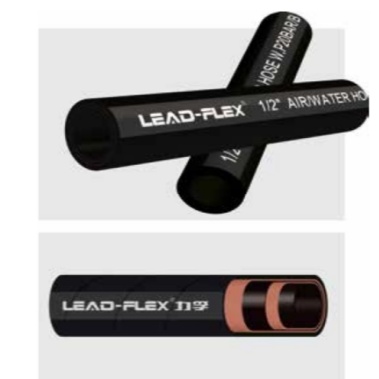
Steel wire braided hoses consist of an inner tube made of flexible materials such as rubber, PTFE, or thermoplastic, surrounded by a layer of braided steel wire. This construction provides a unique balance of flexibility and reinforcement. The steel braiding prevents the hose from expanding under pressure while allowing it to bend and twist around equipment, facilitating installation in confined or complex spaces.
Key components include:
Inner Tube: Carries the fluid and must be compatible with the transferred medium. Materials are selected based on chemical resistance, temperature range, and pressure requirements.
Steel Wire Braid: Provides structural reinforcement, allowing the hose to withstand high internal pressures and external mechanical stress.
Outer Cover: Protects against abrasion, environmental factors, and UV exposure, increasing the hose’s lifespan.
This combination of materials makes steel wire braided hoses suitable for industries ranging from oil and gas to food processing and chemical manufacturing.
2. Advantages of Steel Wire Braided Hoses
Steel wire braided hoses have become a cornerstone in modern industrial fluid transfer, owing to their exceptional combination of strength, flexibility, and resilience. Unlike traditional hoses made solely of rubber or plastic, steel wire braided hoses are reinforced with a layer of braided steel wire, providing them with unique properties that are critical in demanding industrial environments. Understanding these advantages is essential for engineers, maintenance professionals, and procurement specialists who aim to enhance system performance while ensuring safety.
High Pressure Resistance
One of the most significant benefits of steel wire braided hoses is their ability to handle high pressures. The steel braid serves as a reinforcing layer that prevents the hose from expanding under pressure, maintaining its structural integrity. This characteristic is especially important in hydraulic systems, where sudden spikes in pressure are common and can damage unreinforced hoses.
By resisting expansion, steel wire braided hoses minimize the risk of leaks, bursts, and system failures. This not only protects costly equipment but also ensures the safety of personnel working around pressurized systems. Industries such as construction, automotive manufacturing, and heavy machinery rely heavily on these hoses for hydraulic lifts, cylinders, and actuators, where reliability under pressure is non-negotiable.
Moreover, the reinforcement provided by the steel braid allows hoses to withstand repeated pressure cycles without fatigue, extending their operational lifespan and reducing the frequency of replacements. This translates into lower downtime, consistent system performance, and significant cost savings over time.
Temperature Tolerance
Industrial processes often involve extreme temperatures that can compromise conventional hoses. Steel wire braided hoses, however, can operate effectively across a wide temperature range, typically from -40°C to over 200°C, depending on the inner tube material and hose design.
This temperature resilience makes them ideal for high-temperature applications such as hot oil transfer, steam systems, and hydraulic operations, as well as cold environments like cryogenic fluid transport. The steel reinforcement maintains hose stability despite thermal expansion and contraction, preventing deformation, kinking, or bursting.
For industries like chemical processing and power generation, where precise temperature control is critical, steel wire braided hoses ensure the fluid is delivered safely and consistently without compromising system integrity.
Flexibility and Ease of Installation
Unlike rigid piping systems, steel wire braided hoses offer a unique combination of strength and flexibility. They can bend, twist, and route through confined spaces, making them ideal for complex machinery layouts. This flexibility reduces installation time and labor costs, as hoses can be easily positioned without disassembling surrounding equipment.
The ability to navigate tight corners and accommodate moving parts is particularly valuable in industrial plants, automotive assembly lines, and mobile machinery, where space constraints are common. Steel wire braided hoses also allow for minor adjustments in alignment during installation, minimizing stress on connectors and reducing the risk of leaks.
Flexibility is further enhanced by various hose end fittings, which can be customized to suit specific operational requirements. This ensures seamless integration with valves, pumps, and other system components.
Durability and Longevity
The steel wire braid not only provides pressure resistance but also protects the hose against external mechanical stresses, abrasion, and wear. Industrial environments often subject hoses to vibration, friction, and contact with sharp edges or moving machinery. The steel reinforcement helps absorb and distribute these forces, significantly extending hose lifespan.
Durability is also achieved through the careful selection of inner tube materials. Rubber, PTFE, or thermoplastic linings resist chemical attack, heat, and pressure, ensuring the hose performs reliably over extended periods. The combination of a durable inner tube and steel braid reduces replacement frequency, lowers maintenance costs, and enhances overall system reliability.
Long-lasting hoses contribute to predictable operational schedules and reduce the likelihood of unexpected downtime. This is crucial in high-stakes environments like oil and gas exploration, chemical plants, and hydraulic manufacturing, where hose failure can have costly and dangerous consequences.
3. Common Industrial Applications
Hydraulic Systems
Steel wire braided hoses are indispensable in hydraulic machinery. They transfer pressurized hydraulic fluid to actuators, motors, and cylinders with precision. Their high-pressure rating ensures that machines operate safely, while the flexibility simplifies installation across complex systems.
Chemical Processing
In chemical plants, hoses often encounter highly corrosive liquids. Steel wire braided hoses with appropriate inner linings resist chemical attack and prevent leaks, ensuring process safety and protecting equipment and personnel.
Oil and Gas Industry
Oil, fuels, and lubricants require hoses that withstand high pressure and temperature fluctuations. Steel wire braided hoses provide durability and flexibility, essential for connecting pumps, compressors, and drilling equipment.
Food and Beverage Processing
Hygienic inner linings enable safe transfer of edible oils, beverages, and other consumables. The smooth inner surface prevents contamination and residue buildup, while the steel braid ensures durability in high-use environments.
Water and Steam Systems
High-pressure water and steam transfer in power plants and refineries demands hoses that resist temperature-induced deformation. Steel wire braided hoses provide both mechanical strength and thermal stability for reliable operation.
4. Selection Considerations
Choosing the correct steel wire braided hose is a critical step in ensuring both the efficiency and safety of industrial fluid transfer systems. The wrong hose can lead to premature failure, costly downtime, and even hazardous situations. Key factors to consider include:
Pressure Rating: The hose must handle the maximum operating pressure of the system, including occasional surges or spikes. Using a hose with insufficient pressure rating can result in bursts or leaks.
Temperature Range: Ensure that both the inner tube and braid materials are compatible with the operating temperatures, whether extremely hot or cold, to prevent deformation, softening, or brittleness.
Chemical Compatibility: The inner tube must be resistant to the specific fluids being transferred, such as acids, oils, fuels, or solvents. Incompatible materials can degrade quickly, causing leaks or contamination.
Bend Radius: Verify that the hose can bend around machinery, piping, or tight spaces without kinking, as sharp bends can compromise structural integrity and flow efficiency.
Length and Connections: Select a hose length that fits the system layout precisely, and ensure that the hose ends and couplings are compatible with existing equipment.
Proper hose selection minimizes the risk of failures, reduces maintenance costs, and ensures operational safety.
5. Maintenance Tips
Even though steel wire braided hoses are highly durable, routine maintenance is essential to maintain performance and prolong lifespan. Recommended practices include:
Visual Inspections: Check regularly for visible wear, fraying, corrosion, or damage to the steel braid. Early detection prevents sudden failures.
Connection Checks: Inspect fittings, couplings, and clamps for leaks or loosening to ensure secure connections.
Avoid Excessive Bending: Do not twist, kink, or over-bend hoses, as this can damage the braid or inner tube.
Replacement: Replace hoses showing signs of cracking, blistering, or loss of flexibility immediately to maintain safety.
Clean and Protect: Keep hoses free of dirt, chemicals, or debris that could cause abrasion or corrosion.
Routine maintenance not only ensures consistent operation but also maximizes the service life of the hoses, reduces downtime, and enhances workplace safety.
6. Conclusion
Steel wire braided hoses are indispensable in modern industrial fluid transfer. Their unique combination of flexibility, high pressure resistance, temperature tolerance, chemical compatibility, and durability makes them suitable for a wide range of applications. By choosing the right hose for your operation and performing regular maintenance, you can maximize operational efficiency, reduce downtime, and ensure workplace safety.
For businesses looking for reliable, high-quality steel wire braided hoses, Qingdao Rubber Six Hose Co., Ltd. offers a comprehensive range of products tailored to industrial needs. Visit their website to learn more or contact them for professional guidance and customized solutions to enhance your fluid transfer systems.


