Hydraulic hoses are critical to the functionality of many industrial systems, serving as the lifeline for transporting high-pressure fluids to power machinery and equipment. These hoses must be both flexible and durable, withstanding the intense pressures, temperatures, and environmental factors that are common in hydraulic applications. To enhance their performance and ensure reliability, steel wire braiding is often incorporated into the hose construction. By weaving layers of steel wire around the hose’s inner tube, steel wire braiding strengthens the hose, increasing its ability to resist pressure, abrasion, and external damage. This reinforcement ensures the hose’s durability and longevity, making it a vital feature for hydraulic hoses that operate under demanding conditions.
Structure and Function of Steel Wire Braiding
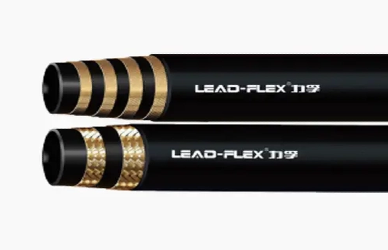
Steel wire braiding is an essential feature of hydraulic hoses, providing reinforcement that significantly enhances their durability and ability to withstand harsh operating conditions. The braiding structure consists of multiple layers of high-strength steel wires that are tightly woven around the inner tube of the hose. Below, we break down the structure and explain how it improves the hose’s performance in terms of pressure resistance, tension, and shear forces.
1. Structure of Steel Wire Braiding
Steel wire braiding involves the interlacing of several layers of steel wires around the hose’s inner tube. These wires are typically made of high-strength materials such as stainless steel or carbon steel, which offer resistance to both mechanical stress and environmental factors. The number of braided layers, the wire gauge, and the type of steel used can be tailored depending on the specific requirements of the hydraulic system. The braiding pattern, typically a crisscross or spiral weave, ensures that the hose maintains its shape and strength even under pressure.
2. Pressure Resistance
One of the most important functions of steel wire braiding is its ability to reinforce the hose against internal pressure. Hydraulic systems often operate at very high pressures, and without sufficient reinforcement, hoses can fail or burst. The braided steel wires distribute the internal pressure evenly across the hose, preventing it from expanding or rupturing. This increases the hose’s pressure rating, making it suitable for high-pressure environments while maintaining fluid flow integrity.
3. Tension Resistance
Steel wire braiding also enhances the hose's ability to withstand tension, or pulling forces, which can occur when the hose is subjected to stretching, bending, or mechanical stress during operation. The braided layers act as a stabilizing force, preventing elongation or deformation of the hose. This ability to resist tension ensures that the hose retains its flexibility, even in dynamic systems, while maintaining its structural integrity under stress.
4. Shear Force Resistance
In hydraulic systems, shear forces can occur when different parts of the hose are subjected to forces that cause the layers to slide against each other. Steel wire braiding helps resist these shear forces by holding the layers of the hose securely together. The reinforced structure reduces friction between the layers, preventing the internal tube from being damaged by twisting or excessive movement. This shear resistance ensures the hose remains intact and performs reliably even when subjected to lateral stresses or external damage.
Impact of Steel Wire Braiding on Hydraulic Hose Durability
Steel wire braiding significantly enhances the durability and performance of hydraulic hoses, especially in high-pressure environments. The braiding adds strength and protection, allowing hoses to withstand internal pressures, external forces, and harsh conditions.
1. Advantages in High-Pressure Environments
Steel wire braiding increases a hose’s pressure tolerance, enabling it to handle extreme internal pressures without bulging or rupturing. It distributes pressure evenly, ensuring the hose remains intact in high-pressure hydraulic systems.
2. Preventing Hose Rupture
The braided steel wire protects against external forces like abrasion, mechanical stress, and impacts that could lead to hose failure. It also strengthens the hose against internal pressure fluctuations, preventing rupture from pressure spikes.
3. Resistance to High Temperatures and Wear
Steel wire braiding improves heat resistance, preventing hose degradation in high-temperature environments. It also enhances durability against wear, bending, and chemical exposure, extending the hose's lifespan in demanding applications.
Contribution of Steel Wire Braiding to Corrosion Resistance and Chemical Durability
Steel wire braiding is crucial in enhancing the corrosion resistance and chemical durability of hydraulic hoses, particularly in harsh environments where exposure to oils, water, and chemicals is common.
1. Resisting Environmental Corrosion (e.g., Oil, Water, Chemicals)
Steel wire braiding helps prevent corrosion by providing a strong, protective layer against environmental elements. Made from materials like stainless steel, the braiding resists exposure to oils, water, and chemicals, ensuring the hose maintains its integrity. This corrosion resistance is particularly important in industries such as chemical processing, construction, and agriculture, where hoses are often exposed to corrosive substances and moisture.
2. Synergy Between Steel Wire Braiding and Polymer Layers for Enhanced Durability
Combining steel wire braiding with polymer layers strengthens hydraulic hoses. The polymer layers provide flexibility and protection from abrasion, while the steel wire braiding adds strength and resistance to pressure. Together, they create a durable hose that resists both environmental corrosion and chemical degradation, ensuring long-term performance even in demanding applications.
Applications of Steel Wire Braided Hydraulic Hoses
Steel wire braided hydraulic hoses are designed to withstand extreme pressure and harsh environmental conditions, making them essential in various industries. Their durability and versatility allow them to perform reliably in demanding applications across a range of sectors. Below are some key industries and applications where steel wire braided hydraulic hoses are widely used.
1. Industrial Equipment
Steel wire braided hoses are commonly used in industrial machinery such as presses, hydraulic lifts, and manufacturing equipment. These hoses are designed to handle high-pressure fluid transfer, ensuring smooth operation in critical systems like hydraulic pumps and motors. Their robust construction allows them to endure the intense mechanical forces and high temperatures often present in industrial environments. They are especially useful in environments where hoses are subject to physical wear and tear, making their ability to resist abrasion and corrosion vital for extended performance.
2. Automotive Industry
In the automotive industry, steel wire braided hydraulic hoses are crucial for power steering systems, brake lines, and fuel systems. They are designed to handle the pressure and temperature extremes common in automotive applications, providing consistent and safe fluid transfer. Steel wire braiding ensures that these hoses are resistant to high pressure, external damage, and temperature fluctuations, all of which are essential in maintaining vehicle performance and safety. Additionally, their flexibility makes them easy to route in compact spaces within vehicle engines and chassis.
3. Aerospace
Steel wire braided hoses are widely used in aerospace applications, including aircraft hydraulic systems, fuel lines, and pneumatic systems. The hoses must meet stringent standards for pressure resistance, flexibility, and fire resistance, as they are often exposed to high altitudes, extreme temperatures, and high-speed environments. The added strength provided by steel wire braiding ensures that hoses can endure these demanding conditions without failure, making them critical to the safety and performance of aircraft systems.
4. Oil and Gas Industry
In the oil and gas industry, steel wire braided hydraulic hoses are used in drilling, production, and transportation systems. These hoses are essential for transferring high-pressure fluids such as hydraulic oils, fuels, and chemicals used in exploration and extraction. Steel wire braiding provides the necessary strength to withstand the extreme pressures encountered during drilling operations while also offering resistance to abrasion, corrosion, and harsh environmental conditions such as exposure to extreme temperatures and chemicals.
5. Construction and Mining
Steel wire braided hoses are also extensively used in construction and mining equipment such as excavators, bulldozers, and cranes. These hoses are designed to endure the high-pressure environments found in hydraulic systems that control heavy machinery. Their ability to resist wear from abrasive environments, as well as their strength and durability, make them ideal for use in rugged conditions where equipment is subject to constant movement, pressure changes, and external damage.
FAQ
1.What types of hydraulic systems are suitable for steel wire braided hoses?
Steel wire braided hoses are especially suitable for high-pressure and harsh environments, such as industrial machinery and automotive hydraulic systems.
2.How does steel wire braiding improve the hose's corrosion resistance?
The steel wire braid helps protect the inner lining of the hose, preventing corrosive substances from infiltrating and enhancing chemical resistance.
3.What pressure can steel wire braided hydraulic hoses withstand?
Steel wire braided hydraulic hoses can withstand high pressures, typically up to 4000 psi or more, making them ideal for demanding applications.
4.What maintenance should be done for steel wire braided hoses?
Regularly inspect the hose surface for wear, ensure connections are leak-free, and keep the hose dry to prevent corrosion.
Conclusion
Steel wire braiding plays an essential role in enhancing the durability and performance of hydraulic hoses. By providing reinforcement, it significantly improves a hose's ability to withstand high pressures, resist external damage, and endure harsh environmental conditions. The combination of strength, flexibility, and resistance to wear, abrasion, and corrosion makes steel wire braided hoses indispensable in a wide range of industries, including manufacturing, automotive, aerospace, and oil and gas. As hydraulic systems continue to evolve, advancements in materials and manufacturing processes, such as the development of corrosion-resistant alloys or advanced coatings, are likely to further enhance the durability and performance of steel wire braided hoses. These innovations will enable hoses to handle even more extreme pressures, temperatures, and environmental conditions, ensuring continued reliability and safety in critical systems.


