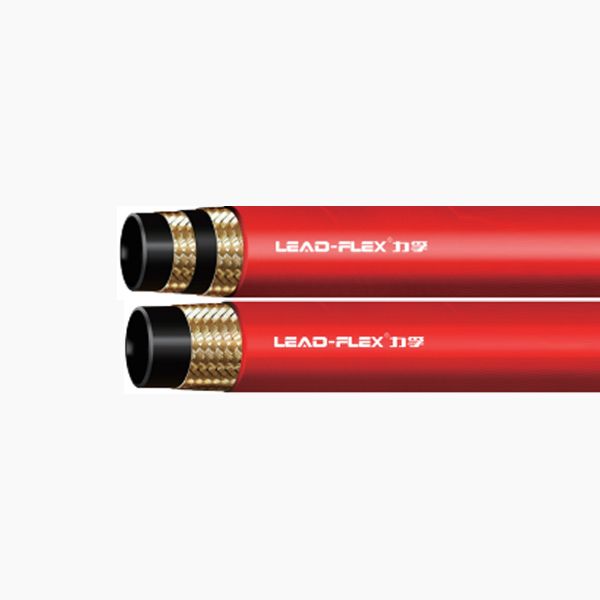
Premature steam hose failure is not just an annoying inconvenience. It represents a critical intersection of severe safety risks and mounting hidden expenses. Plant operators often ignore early warning signs. They wait until a catastrophic blowout forces emergency action. The engineering reality behind this issue is surprisingly harsh. You will almost never find 100% dry saturated steam at your actual point of use. Inevitable pressure drops occur across distribution networks. Inadequate system trapping and cold start-up phases further complicate the process. These factors practically guarantee the presence of wet steam and pooling condensate. Mixed-phase conditions create unique destructive forces. This guide unpacks the exact thermodynamic causes behind rapid hose degradation. We outline specific mechanical failure modes you need to watch for on the floor. Finally, we provide a practical procurement framework for selecting highly resilient solutions. You will learn exactly how to protect your personnel and optimize your fluid transfer network.
Key Takeaways
The Thermodynamic Reality: Temperature drops and pressure fluctuations inevitably convert saturated steam into wet steam and pooling condensate, fundamentally altering how hoses degrade.
Primary Failure Modes: Trapped condensate is the leading cause of "popcorning" (internal tube explosion) and accelerated oxidation in standard rubber hoses.
Material Selection Matters: Choosing a purpose-built wet steam hose (often utilizing advanced EPDM compounds) drastically outperforms general-purpose hoses in mixed-phase environments.
The Thermodynamic Reality of Wet Steam and Condensate
Many facilities struggle to maintain reasonable hose lifespans. They buy highly rated industrial hoses. Yet, these hoses still fail months ahead of schedule. A massive gap exists between ideal specification sheets and real-world system conditions. Specifiers assume their network delivers perfectly dry steam. However, thermodynamics paints a very different picture.
Steam travels through miles of piping in a typical plant. It loses heat energy to the surrounding environment. We call this a shift from latent heat to sensible heat. The vapor drops below its ideal saturation temperature. Tiny water droplets begin to form within the flow. This moisture turns pure vapor into wet steam. Wet steam fundamentally changes how fluids interact with inner hose walls.
Improper installation geometries make this worse. Condensate pooling becomes a severe mechanical problem. Workers often install hoses horizontally over long runs. Hoses sag in the middle if left unsupported. These low points act as accidental condensate reservoirs. Water gathers in the belly of the tube during low-demand cycles or nightly shutdowns. The hose essentially becomes a stagnant water trap.
Several engineering misconceptions persist regarding condensate removal. Many operators assume opening a purge valve clears all liquid safely. This is completely false. Rapidly opening a valve forces heavy water slugs down the line at high velocity. This creates intense water hammer. Water hammer physically slams into flexible piping connections. The resulting thermal shock and physical stress easily fracture weakened elastomeric compounds.
How Condensate Destroys the Steam Hose Tube
We must look at evidence-oriented breakdown mechanisms. Generic "wear and tear" does not accurately explain premature failure. Condensate actively destroys flexible piping through specific mechanical and chemical pathways. Understanding these forces helps you stop them.
The "popcorning" effect is the most destructive mechanical failure mode. Steam possesses incredibly high permeability. Vapor slowly penetrates the microscopic pores of the inner rubber tube during normal operation. The system cools down after a shift ends. The trapped vapor inside the rubber walls condenses back into liquid water. Operators restart the system the next morning. High-temperature steam rushes back into the core. The trapped water inside the rubber walls rapidly absorbs heat. It flashes back into vapor almost instantly. Water expands 1,600 times its original volume when turning into steam. This microscopic explosion literally blows chunks of rubber out of the tube wall. The inner surface eventually resembles popcorn.
Chemical degradation also destroys the polymer matrix. Pooling condensate is rarely just pure water. It entrains oxygen and carbon dioxide from the surrounding system. These dissolved gases create a mildly acidic environment. The acidic moisture causes accelerated internal oxidation. The elastomeric tube gradually loses its flexibility. The rubber becomes brittle and cracks under normal bending stresses.
Continuous wet and dry cycling leads to delamination. Hoses expand when hot and contract when cold. This endless thermal cycling weakens the critical adhesion layers. The bond between the inner tube, the wire reinforcement braiding, and the outer cover fails. Steam eventually bypasses the inner tube entirely. It travels along the wire reinforcement and causes dangerous external leaks.
The Hidden Costs of Poor Steam Hose Maintenance
Replacing a blown hose is only a fraction of your actual financial loss. The broader operational impacts quietly drain facility budgets. Ignoring early warning signs leads to massive downstream consequences.
Energy leaks directly destroy profit margins. A leaking steam system acts as a continuous financial bleed. Every pound of escaping vapor translates directly to wasted boiler fuel. Boilers must burn more natural gas or coal to maintain line pressure. Proper steam hose maintenance prevents these invisible energy losses. Routine checks keep your thermal efficiency high.
Compliance and safety risks demand serious attention. Catastrophic hose blowouts pose severe burn hazards to nearby personnel. Regulatory bodies take these failures seriously. OSHA and the National Board of Boiler and Pressure Vessel Inspectors mandate strict safety protocols. A ruptured line can trigger heavy fines and facility audits. You must prioritize component integrity to protect your workforce.
Unplanned downtime cripples production schedules. Sudden failures rarely happen during scheduled maintenance windows. They occur mid-production. A ruptured line immediately halts batch processes. Facilities face scrapped products and missed delivery deadlines. Emergency maintenance crews must drop other tasks to secure the blow-out. You lose hours of valuable manufacturing time over a single neglected connection.
Evaluating Material Options: Specifying a Wet Steam Hose
Procurement teams must carefully evaluate material options when shortlisting replacements. Standard utility hoses cannot survive rigorous thermal cycling. You need specialized polymers designed for mixed-phase environments.
Specifying a reliable wet steam hose requires understanding underlying rubber compounds. Chlorobutyl was once a popular choice. However, it dries out and cracks under continuous moisture exposure. Today, engineering teams demand better performance. An EPDM steam hose sets the industry standard. EPDM (Ethylene Propylene Diene Monomer) offers superior resistance to intense heat, ozone, and weather degradation. More importantly, EPDM handles wet vapor cycling exceptionally well. Its tight molecular structure resists the moisture permeation responsible for popcorning.
We must also clarify application distinctions. Some processes require continuous phase changes from vapor to liquid. A dedicated steam hot water hose is explicitly designed for washdown applications. Washdown routines continuously mix high temperatures with liquid water streams. These specialized washdown products feature specific inner tube formulations. They handle sudden temperature drops better than strict saturated-steam utility lines. Always match the hose rating to your exact operational behavior.
Safety factors and pressure ratings are non-negotiable. Industrial guidelines mandate a strict 10:1 safety factor for steam handling. If your maximum working pressure (WP) is 150 PSI, the burst pressure must exceed 1500 PSI. You must also evaluate your actual peak system pressure. Consider the intense pressure spikes caused by water hammer. Standard operational pressure might be low, but start-up spikes easily exceed the safe working limit of cheap materials.
Engineering Best Practices for Maximum Service Life
No product will survive poor overall system design. You must implement robust engineering best practices to protect your investment. Below is an actionable framework for mitigating risks before and after installation.
Upstream trapping and drainage are critical. You must remove liquid before it enters the flexible connection. We recommend the following installation steps:
Install dedicated drip legs immediately upstream of the hose connection point.
Fit thermodynamic or thermostatic traps to clear gathering water automatically.
Ensure the main distribution header slopes properly toward drainage points.
Install isolation valves that allow for safe, gradual system warm-ups.
Proper installation geometry prevents unnecessary stress. Avoid sharp bends near the crimped fittings. Use appropriate metal elbows to route the flow naturally. Never allow the hose to sag in the middle. Support long runs with proper trays or slings. This prevents condensate from pooling in the belly.
You must establish strict routine inspection criteria. Do not wait for a blowout to replace an aging component. Transition to a standardized replacement schedule based on actual hours of operation.
Inspect your lines weekly using the following criteria:
Check the outer cover for localized blistering or bubbling.
Feel the tube near the fittings to identify hardened or brittle spots.
Look for any signs of weeping moisture around the crimped collars.
Inspect the wire braiding for rust if the outer cover shows abrasions.
Use the following diagnostic chart to understand what your visual inspections reveal.
Visual Symptom
Likely Thermodynamic Cause
Required Action
Cover Blistering
Moisture permeated the tube and expanded into vapor beneath the cover.
Remove from service immediately. Check upstream traps.
Hardened/Brittle Tube
Oxygen and CO2 in pooling condensate caused severe internal oxidation.
Replace unit. Correct installation angle to prevent water pooling.
Weeping at Fittings
Thermal expansion/contraction cycles broke the mechanical crimp seal.
Replace unit. Review start-up procedures to minimize thermal shock.
Internal "Popcorning"
Trapped liquid flashed to vapor upon rapid system restart.
Upgrade to EPDM compound. Drain system fully during shutdowns.
Conclusion
Wet steam and condensate are inevitable realities in industrial fluid transfer. Perfect dry saturation rarely exists at the exact point of use. You must treat specialized material selection and upstream drainage as non-negotiable requirements. Relying on general-purpose rubber guarantees premature failure and introduces severe safety hazards. EPDM compounds provide the structural resilience necessary to combat rapid phase changes and thermal shock.
We encourage engineering stakeholders to audit their current distribution stations immediately. Evaluate your historical failure modes closely. Identify whether your lines suffer from internal popcorning or external mechanical damage. Consult with a technical specialist to specify the correct mixed-phase solution for your unique environment. Taking proactive steps today ensures a safer, highly efficient production floor tomorrow.
FAQ
Q: What defines a "wet steam hose" compared to a standard steam hose?
A: A specialized wet unit utilizes advanced inner tube compounds, like EPDM, designed to resist deep moisture permeation. Standard lines handle dry vapor well but fail when exposed to liquid. The specialized formulation withstands rapid phase-change expansion, completely preventing the destructive popcorning effect caused by trapped water.
Q: How often should a steam hose be replaced?
A: Most facilities should replace them every 6 to 12 months. The exact timeline depends heavily on your specific duty cycle, operating pressure, and wet/dry cycling frequency. Do not rely on time alone. Conduct frequent visual inspections to detect hardened tubes or blistered covers early.
Q: Can I use a steam hot water hose for high-pressure saturated steam?
A: No. Washdown hoses designed for hot water possess different temperature and pressure thresholds. They excel in environments with continuous phase changes but cannot safely handle the extreme, sustained pressure of a dedicated utility steam line. Always match the safety factor to the precise application.
Q: Why is my steam hose cover blistering?
A: Blistering indicates that the inner elastomeric tube has failed or become porous. Condensate popcorning often causes this porosity. Vapor escapes through the compromised inner wall and gets trapped underneath the outer rubber cover. You must remove blistered units from service immediately to prevent blowouts.