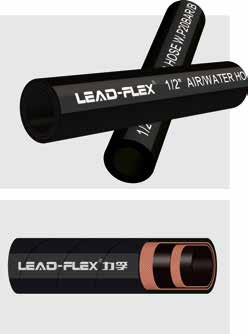
Selecting a steam assembly based purely on maximum pressure limits while ignoring thermal constraints presents a massive procurement risk. This specific oversight remains the leading cause of catastrophic equipment failure across industrial plants today. Buyers frequently prioritize pressure ratings but dangerously overlook the invisible stress of extreme heat.
In modern steam applications, intense heat degrades elastomer integrity much faster than physical internal pressure. Continuous thermal exposure hardens traditional rubber compounds. They rapidly lose their natural flexibility and become brittle. This invisible degradation dramatically lowers the actual burst threshold over time, compromising operational security.
We will explore the critical evaluation framework required to safely balance both pressure and temperature metrics. You will learn how to properly differentiate steam types for your facility. We will evaluate advanced materials and apply essential derating formulas. These proactive steps ensure long-term reliability without over-specifying requirements and unnecessarily inflating your procurement budget.
Key Takeaways
In saturated steam systems, pressure and temperature are intrinsically linked; relying on a standard pressure rating is insufficient if system temperature spikes occur.
The steam hose temperature rating dictates the lifespan of the hose material—exceeding it causes rapid vulcanization and tube failure (e.g., "popcorning").
Superheated steam requires a specialized high temperature steam hose (often PTFE or specialized EPDM), as standard rubber steam hoses will fail regardless of their pressure capacity.
Proper steam hose safety relies on utilizing derating formulas to understand how high temperatures reduce the actual working pressure limits of the assembly.
Why Temperature Ratings Rule the Decision Matrix in Steam Applications
Industrial hose failure creates severe operational and financial burdens for any manufacturing facility. The risks extend far beyond mere equipment replacement. Unplanned downtime halts production lines instantly. Severe safety hazards emerge when steam containment fails. Workers face extreme risks of severe burns or fatal explosions. Frequent replacement cycles drain maintenance budgets rapidly. Addressing these risks requires a fundamental shift in how we evaluate steam assemblies.
The Pressure Fallacy
Many buyers fall victim to a common procurement trap. They default to over-specifying physical pressure limits as a perceived safety buffer. For example, a facility manager might purchase a 250 PSI rated hose for a 150 PSI system. They assume the extra 100 PSI provides a guaranteed margin of safety.
However, this logic completely fails to account for ambient and internal heat variables. High pressure capacities mean nothing if the inner tube melts or hardens under peak thermal loads. Evaluating a product solely by its pressure capacity creates a false sense of security. You must integrate a verified steam hose temperature rating into your primary decision matrix.
Thermal Degradation Mechanics
You must understand the physical reality of steam interacting with rubber. Continuous high heat creates irreversible chemical changes within the elastomer. This process accelerates natural vulcanization. The inner core hardens significantly over time. It loses its essential flexibility.
As the material becomes brittle, it can no longer absorb normal operational vibrations. This rigid state drastically lowers the actual pressure threshold. Micro-cracks begin forming inside the tube wall. Once structural integrity weakens, high-pressure steam forces its way through the reinforcement layers. This sequence inevitably leads to a sudden and dangerous rupture.
Saturated vs. Superheated Steam: Identifying Your System’s Requirements
You must instruct your engineering team to audit your specific steam state first. Do this long before looking at supplier catalogs. Purchasing a general-purpose steam hose without knowing your system reality invites disaster. We divide steam into two distinct solution categories.
Saturated Steam
Saturated steam is the most common form used in industrial heating applications. It features a direct thermodynamic relationship. Temperature and pressure rise together simultaneously. You can track this exact correlation using standard engineering steam tables.
We apply a specific evaluation lens here. If your system uses saturated steam, the assembly must withstand the corresponding temperature of your absolute maximum system pressure. You cannot treat these two variables independently.
The chart below outlines standard saturated steam properties for reference during your audit.
Steam Pressure (PSI)
Temperature (°F)
Temperature (°C)
50
298
148
100
338
170
150
366
186
200
388
198
250
406
208
Superheated Steam
Superheated steam introduces a completely different physical challenge. We define this as steam heated beyond its standard boiling point at a given pressure. This process creates an environment of intense, dry heat. It features a lower relative pressure compared to saturated states at the same temperature.
Our evaluation lens shifts dramatically here. Standard rubber hoses fail almost instantly in these conditions. They rely on moisture for lubrication. Superheated steam lacks this moisture completely. The dry heat scorches standard elastomers rapidly. This application demands a specialized product designed specifically for extreme, dry thermal loads.
Evaluating Materials for a High Temperature Steam Hose
You must align material capabilities with your specific operational outcomes. We compare the three standard industrial solutions below. We evaluate them strictly based on their absolute thermal limits and long-term longevity.
1. EPDM (Ethylene Propylene Diene Monomer)
EPDM remains the gold standard for standard saturated steam applications. Industry regulations typically rate EPDM assemblies up to 406°F (208°C) and 250 PSI.
Pros: EPDM offers excellent resistance to a phenomenon called "popcorning". Moisture sometimes traps inside the tube wall. When heated rapidly, this moisture expands and blows chunks of rubber away. EPDM resists this damage better than most natural rubbers.
Cons: It is fundamentally unsuitable for superheated applications. Dry heat will degrade the polymer chain rapidly.
2. Chlorobutyl
Engineers often specify Chlorobutyl for specialized mixed-media applications. We see it used frequently when systems alternate between high-temperature water and steam.
Pros: It provides exceptionally good permeation resistance. It creates a robust barrier against moisture ingress.
Cons: Strict temperature ceilings apply. You must monitor system peaks carefully. Exceeding its limit causes rapid blistering along the inner core.
3. PTFE (Teflon) / Stainless Steel Braided
PTFE represents the ultimate material for demanding environments. When you handle superheated steam, you require a high temperature steam hose capable of surviving dry conditions up to 450°F (232°C) or higher.
Pros: It delivers maximum return on investment for extreme thermal environments. PTFE is practically immune to chemical degradation. The stainless steel outer braid prevents physical elongation under pressure. It is the premier high temperature resistance hose available today.
Cons: It carries the highest initial procurement cost. The rigid steel braid also makes it less flexible than EPDM alternatives. Installation requires careful spatial planning.
Calculating the True Limits: Temperature Derating and Pressure
Understanding published specifications requires a structural evaluation framework. You must master the derating curve. Manufacturers typically calculate a published maximum working pressure at ambient room temperature. This standard is usually 70°F (21°C).
The Inverse Relationship
A critical inverse relationship dictates actual performance in the field. Elevating the internal medium to boiling temperatures drastically lowers the safe working pressure of the assembly. As heat climbs, the structural integrity of the reinforcement layers relaxes.
If you push 400°F steam through a line, the rubber compound softens significantly. The steel or textile reinforcements shift slightly under the load. A unit rated for 250 PSI at room temperature cannot safely hold 250 PSI at 400°F. The physical laws of thermal expansion forbid it.
Actionable Advice for Buyers
We advise procurement teams to demand complete transparency from suppliers. Always request the manufacturer’s specific temperature-pressure derating chart before generating a purchase order.
Identify your peak operational temperature.
Locate this temperature on the supplier's derating curve.
Multiply the ambient pressure rating by the corresponding derating percentage.
For example, a chart might dictate a 60% derating factor at 400°F. If the ambient rating is 250 PSI, the actual safe working limit drops to just 150 PSI under full thermal load. Knowing this exact calculation prevents dangerous over-pressurization.
Steam Hose Safety, Compliance, and Implementation Risks
Excellent material selection solves only half the problem. Improper installation or maintenance creates entirely new threat vectors. You must govern the complete lifecycle of the assembly.
Implementation Risks
A pressure rating is only as robust as its weakest physical point. In almost every industrial failure, the weakest point is the fitting connection. Standard crimped fittings fail frequently under extreme conditions. The constant thermal expansion and contraction cycles loosen traditional crimps over time.
Apply strict shortlisting logic to your vendors. Only shortlist suppliers that provide interlocking ground-joint fittings. Engineers design these specifically for extreme steam applications. The interlocking mechanism tightens mechanically. It actively resists the push-pull forces generated by thermal cycling.
Security & Compliance Protocols
You must align your procurement with recognized industry standards. Demand products manufactured in accordance with ISO 6134. This international standard specifically dictates construction and testing parameters for rubber steam lines. You should also reference NAHAD (The Association for Hose and Accessories Distribution) assembly guidelines.
Furthermore, you must enforce rigorous steam hose safety protocols at the facility level.
Visual Inspections: Mandate thorough visual checks before every shift. Look for cover blisters or exposed reinforcement wire.
Hydrostatic Testing: Implement scheduled hydrostatic testing. Isolate the assembly and test it under cold water pressure to verify integrity.
Strict Limits: Post clear "do not exceed" thermal limits directly on the equipment. Operators must understand the immediate dangers of pushing systems beyond established boundaries.
Conclusion
Successful procurement requires a holistic approach to system variables. You cannot rely on ambient pressure ratings alone. You must match the specific core material directly to your precise steam state. Saturated steam demands highly durable EPDM or Chlorobutyl. Superheated steam strictly requires PTFE or similarly robust solutions.
Take these actionable next steps to secure your facility operations:
Consult your engineering department's daily steam tables.
Map out all historical temperature spikes across the plant network.
Calculate your true required capacity using proper derating formulas.
Request certified, documented derating charts from your suppliers.
Standardize the use of interlocking ground-joint fittings for all high-heat assemblies.
By balancing these metrics properly, you protect your workers, maintain steady production, and optimize your replacement intervals safely.
FAQ
Q: What happens if a steam hose exceeds its maximum temperature rating?
A: The inner tube will vulcanize, harden, and crack. Moisture penetrates the weakened reinforcement layer. When this trapped moisture vaporizes during operation, it expands rapidly. This expansion blows rubber chunks into the steam line, causing a catastrophic burst known as popcorning.
Q: Can I use a high-pressure hydraulic hose for steam applications?
A: No. Hydraulic hoses are designed for oil and hydraulic fluids. They completely lack the required temperature resistance and specific material composition (like EPDM) needed to survive aggressive thermal environments. They will melt or burst very quickly under steam loads.
Q: How frequently should high temperature steam hoses be replaced?
A: Replacement intervals depend heavily on usage frequency and continuous thermal stress. However, proactive replacement every 6 to 12 months is standard industrial practice. This aggressive schedule helps facilities maintain strict safety standards and prevent unexpected ruptures during peak production times.