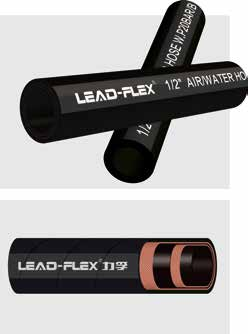
Transferring steam across industrial facilities presents intense operational hazards. Choosing the wrong material invites disaster. When lines carry high-pressure vapor, improper specification quickly leads to premature failure. These incidents cause dangerous blowouts, force unexpected downtime, and introduce severe safety liabilities for workers. Maintenance teams constantly debate between elastomeric rubber constructions and corrugated stainless steel assemblies. We need to move beyond basic manufacturer claims to truly understand material performance. This article evaluates both options based on thermal limits, mechanical fatigue, and specific installation environments. You will learn exactly how core construction dictates performance under extreme stress. We will explore the STAMP framework to help you match the proper assembly to your unique operational demands. Ultimately, you will discover how to prevent hidden implementation risks before they compromise your facility safety protocols.
Key Takeaways
Rubber is the superior choice for dynamic, manual-handling applications (like washdown stations) due to its flexibility, vibration dampening, and naturally insulated exterior.
Stainless steel dominates in static, extreme-heat environments, highly corrosive atmospheres, or where strict fire-resistance compliance is required.
The selection hinges on the STAMP framework (Size, Temperature, Application, Media, Pressure), specifically the difference between dynamic cycling and static routing.
Hidden implementation risk: Metal hoses fail via metal fatigue from improper flexing; rubber hoses fail from internal heat aging and "popcorning" (trapped moisture expanding).
Core Construction: How Materials Dictate Performance
To understand how a hose performs under pressure, we must examine its internal architecture. The physical makeup of these industrial components directly dictates their operational limits. Engineers design these assemblies to contain volatile gases safely. A single weak point compromises the entire system.
The Anatomy of a Rubber Steam Hose
Elastomeric assemblies rely on a carefully engineered three-tier construction. Each layer performs a highly specific function. Manufacturers bond these layers together during the vulcanization process.
The Core Tube: The innermost layer directly contacts the vapor. Manufacturers typically use EPDM (Ethylene Propylene Diene Monomer) or Chlorobutyl rubber. These synthetic elastomers naturally resist moisture saturation and high internal heat. They remain pliable while preventing gas permeation.
The Reinforcement Layer: Steam generates immense expansive force. To contain this power safely, engineers utilize a steel wire braided hose design. High-tensile carbon steel wires wrap tightly around the core tube. This metal skeleton prevents catastrophic bursting while maintaining overall flexibility.
The Outer Cover: The external environment poses separate threats. The outer rubber casing protects the inner steel braid from moisture and chemical attack. It heavily resists ozone degradation, UV exposure, and physical abrasion from dragging across concrete floors.
The Anatomy of a Stainless Steel Hose
Metallic assemblies use a fundamentally different approach to fluid transfer. They do not rely on vulcanized layers. Instead, they utilize precise metallurgy to achieve pressure containment.
The foundation is the corrugated inner core. Factories form thin-walled metal tubing, usually 316L or 304 stainless steel, into parallel or helical corrugations. This geometry allows the rigid metal to bend. This stainless core provides absolute, gas-tight permeation resistance. Gases cannot escape through solid metal walls.
However, corrugated tubing elongates when pressurized. To prevent this stretching, engineers wrap the core in a stainless steel woven braid. Heavy-duty applications often require double-braided layers. The outer braid acts like a straitjacket. It holds the inner core tightly in place while allowing it to flex laterally. This dual-metal design excels at retaining shape under extreme internal pressure.
When to Choose a Rubber Steam Hose
Elastomers shine in environments demanding continuous movement. Facility operators often prefer a rubber steam hose when human interaction is frequent. The physical properties of synthetic rubber make it inherently safer and more forgiving in active zones.
Dynamic and Manual Applications
You must choose rubber when operators physically handle the equipment. Workers routinely drag, drop, and twist these assemblies. Rubber tolerates this constant physical abuse exceptionally well. It bends easily around tight corners. Unlike metal, rubber does not suffer rapid fatigue from repetitive flexing. An operator can coil and uncoil an elastomeric line hundreds of times daily. The material simply rebounds to its original shape. Metal corrugations, conversely, will quickly work-harden and crack under this same unpredictable movement.
Washdown & Cleaning Scenarios
Food processing plants and breweries rely heavily on manual cleaning. Operators require a pliable steam hot water hose to blast away industrial grease and sanitize vats. Rubber excels here for one vital reason: thermal conductivity. Metal conducts heat instantly. If hot vapor flows through a bare steel tube, the exterior immediately becomes a severe burn hazard. Rubber transfers heat much slower. While the outside gets warm, operators can typically handle it safely using standard protective gloves. This natural insulation protects workers during long cleaning shifts.
Vibration Dampening
Industrial pumps generate intense mechanical pulsations. Compressors vibrate violently during operation. If you connect rigid piping directly to these machines, the vibration causes severe stress fractures. Rubber naturally absorbs mechanical shock. It acts as an acoustic and kinetic dampener. When installed between a vibrating pump and a static pipe network, the elastomer isolates the movement. This protects expensive downstream valves and delicate instrumentation from shaking themselves apart.
When to Choose Stainless Steel Flexible Hoses
While elastomers handle movement beautifully, they possess strict environmental limits. When conditions push past the physical capabilities of synthetic rubber, facilities must transition to metallic assemblies. Stainless steel guarantees structural integrity under extreme operational stress.
Extreme Thermal Limits
Heat degrades polymers rapidly. Standard elastomeric formulations begin breaking down quickly when internal temperatures exceed 400°F (204°C). The inner tube hardens, loses elasticity, and eventually cracks. For applications exceeding this thermal threshold, a metallic high temperature hose becomes non-negotiable. Stainless steel alloys easily withstand continuous exposure to 800°F (426°C) or higher. They maintain their pressure ratings and structural strength long after synthetic polymers turn to brittle ash.
Zero Permeation and Chemical Aggression
Certain industrial processes involve highly aggressive media. Some chemical additives dissolve elastomers on contact. Stainless steel offers superior chemical resistance across a broad pH spectrum. Furthermore, solid metal provides true zero-permeation performance. Even the densest rubber allows microscopic amounts of gas to escape over time. When transferring hazardous, flammable, or toxic vapors, zero permeation is mandatory. Stainless steel also resists harsh external washdown chemicals. Strong caustic foams used in meat processing facilities will slowly eat away a rubber cover but leave 316L steel untouched.
Fire-Resistant Design and Compliance
Petrochemical refineries and chemical processing plants operate under strict safety codes. Facility standards frequently dictate fire-proof routing for hazardous transfers. A rubber assembly adds fuel to a localized fire. It melts and releases its pressurized contents, drastically escalating the emergency. Stainless steel maintains integrity during external fires far longer. Standard API (American Petroleum Institute) fire tests prove metal assemblies can survive intense flame exposure while keeping internal media safely contained. This extra time allows operators to shut down valves and extinguish the blaze safely.
STAMP Framework: The Decision-Stage Evaluation Matrix
Relying on guesswork leads to dangerous installations. Engineers use the industry-standard STAMP acronym to evaluate requirements. This framework evaluates Size, Temperature, Application, Media, and Pressure. Analyzing these five variables ensures you select the correct material for your specific hazard profile.
Temperature: Internal vs. External
You must evaluate both internal fluid heat and ambient environmental heat. Internal vapor easily reaches 350°F. However, if you route the line next to a 500°F industrial furnace, the radiant ambient heat will destroy a rubber cover from the outside in. Continuous exposure to high external heat accelerates polymer degradation dramatically. Metal ignores ambient radiant heat entirely.
Application: Static vs. Dynamic
Application context serves as the primary dealbreaker between these two materials. How will the assembly move once installed?
Static Routing: If the line stays in one place to correct rigid pipe misalignment or absorb thermal expansion, metal proves highly durable. You install it once, and it rarely flexes again.
Dynamic Cycling: If the line bends constantly during normal operation, metal will fail. Continuous, repetitive flexing causes the steel corrugations to work-harden. The metal becomes brittle and cracks prematurely. Rubber remains the only viable choice for constant-motion machinery.
Media Context
Consider the exact nature of the fluid. Pure dry vapor interacts differently with materials than wet vapor. You must evaluate the impact of vapor quality on rubber "popcorning." This phenomenon occurs when tiny amounts of vapor permeate the rubber inner tube. When the system cools, the trapped vapor condenses into liquid water. During the next heating cycle, this trapped water rapidly expands back into a gas. The resulting miniature explosion blows chunks of rubber out of the tube wall. This looks exactly like popped corn. Steel tubes completely eliminate this permeation and popcorning risk.
Below is a technical comparison chart illustrating performance traits across common evaluation metrics.
Performance Metric
Elastomeric Assembly
Corrugated Metallic Assembly
Thermal Maximum
Typically limits at 400°F (204°C)
Exceeds 800°F (426°C) safely
Vibration Dampening
Excellent absorption of mechanical shock
Poor; transfers vibration to piping
Dynamic Flexing
Superior continuous bending lifespan
Prone to rapid metal fatigue cracking
Permeation Rate
Microscopic gas escape possible
Zero permeation; absolutely gas-tight
Exterior Surface Heat
Slower heat transfer; safer handling
Instant heat transfer; severe burn risk
Implementation Realities: Maintenance and Hidden Risks
Even perfectly specified materials fail if operators install them incorrectly. The physical realities on the factory floor often dictate the ultimate success of the system. Understanding how these assemblies break down helps your maintenance team prevent catastrophic accidents.
Installation Routing Errors
Torsion is the enemy of industrial fluid lines. Torsion occurs when an installer twists the assembly along its longitudinal axis. Rubber forgives a slight twist, though it severely reduces its lifespan. Stainless steel, however, is easily destroyed by twisting. The metal corrugations lock together and shear under torsional stress.
Metal lines must bend in a single plane. If a machine moves vertically, the line must form a simple U-shape in that vertical plane. If the machine also moves horizontally, the single metal line will twist and snap. Installers must use precise routing techniques, often employing swivel joints, to ensure the metal flexes naturally without twisting.
Visual Inspection Reliability
Preventative maintenance requires accurate visual inspections. The two materials show distress in completely different ways.
Rubber gives clear warning signs before it bursts. Inspectors can easily spot exterior blistering. They notice ozone cracking along the cover. The tube may feel excessively stiff or brittle to the touch. These visual cues tell maintenance teams to swap the line before a blowout occurs.
Metal fatigue remains largely invisible. As the steel corrugations flex, microscopic stress fractures form deep inside the valleys of the metal. These micro-cracks grow silently beneath the outer wire braid. The assembly looks perfectly fine on the outside. Eventually, a micro-crack breaches the wall, resulting in a sudden, high-pressure, invisible vapor leak. Facilities must rely on strict operational hour logs, rather than visual cues, to replace metal lines safely.
Conclusion
Choosing between these two robust materials requires an honest assessment of your facility environment. Selecting the wrong component introduces immediate safety hazards and forces unnecessary maintenance shutdowns. Let the physical application guide your engineering specification.
Final Verdict Matrix:
Choose rubber for hand-held operations, high-vibration equipment, and continuous-movement machinery where internal temperatures stay reliably under 400°F. Its ergonomic safety and fatigue resistance cannot be matched.
Choose stainless steel for static connections, extreme thermal environments, severe piping misalignment, and designated fire-critical zones. Its structural rigidity and chemical immunity provide absolute containment.
Next-Step Action: Advise your reliability engineers to audit your current failure rates immediately. Document exactly how and where your current lines break down. Run these failure modes through the STAMP parameters before you request new quotes from your suppliers. Proper specification ensures your workers stay safe and your production stays online.
FAQ
Q: Can I use a rubber steam hose for high-pressure washing?
A: Yes, but you must select the correct specification. Vapor transfer and liquid pressure washing create different stress profiles. While both rely on strong steel wire reinforcement, pressure washer lines require specific burst ratings for liquid volume. They also utilize specialized non-marking covers to protect factory floors. Always ensure the assembly carries a dual-rating if used for both tasks.
Q: How long should an industrial steam hose last?
A: Lifespan depends entirely on operational stress, making a guaranteed timeframe impossible. Heat cycling, dynamic bending, and external abuse determine longevity. Crucially, failing to drain condensation after use accelerates popcorning degradation. Implement standard preventive maintenance schedules based on operating hours rather than waiting for visual failure signs to maximize safe longevity.
Q: Why do some commercial washing machines use stainless steel hoses instead of rubber?
A: This represents a high-volume commercial crossover application. Stainless steel braided appliance lines drastically reduce catastrophic burst leaks in static residential or commercial laundry setups. Since washing machines rarely move, the metal avoids dynamic fatigue. This rigidity prevents severe water damage, mitigating massive insurance claims associated with ruptured elastomeric tubes.