Steam hose failures represent critical safety hazards for plant operators. They consistently cause unpredictable production downtime across industrial sectors. You might assume symptoms like popcorning, blistering, and tube separation are simply random wear-and-tear. They are not. These dangerous failures act as specific material reactions to extreme thermal cycling. Improper compound selection and daily procedural errors also drive early degradation. When a pressurized line ruptures on a busy plant floor, life safety risks escalate rapidly.
We want to provide plant managers and maintenance engineers with an evidence-based diagnostic framework. By understanding internal hose degradation, you can identify root causes quickly. We will explore how to evaluate reliable, compliant replacement assemblies for your facility. This knowledge ensures you protect your frontline workforce effectively. It also helps you maintain continuous operations without experiencing sudden, catastrophic blowouts.
Key Takeaways
Popcorning occurs when residual condensate is trapped in the inner tube lining and rapidly expands into steam during the next heating cycle.
Tube separation is typically driven by extreme thermal cycling that breaks down the adhesion between the elastomer tube and wire reinforcement.
Upgrading to properly compounded EPDM steam hose or Chlorobutyl variants can mitigate these risks when matched to specific pressure/temperature requirements.
Procurement evaluation must prioritize 10:1 safety ratios, specific steam saturation limits, and rigorous vendor compliance testing (e.g., ISO 6134).
Correct operational procedures (draining condensate, gradual heat-up) are as critical as material selection in extending hose lifespan.
The Mechanics of Steam Hose Failures (Diagnostics)
Industrial transfer systems fail through predictable mechanical pathways. We must understand exactly how these materials degrade internally. This allows operators to diagnose issues before total blowout occurs. Each symptom points to a specific operational flaw or material limitation.
Steam Hose Popcorning
Condensate permeates the microscopic pores of the inner rubber tube. This happens during the equipment cool-down phase. Upon sudden reheating, trapped moisture flashes back into steam instantly. The trapped water expands violently. This rapid volume change blows popcorn-like craters inside the inner tube.
These small explosions cause structural havoc. Chunks of rubber break off entirely. They travel downstream and contaminate the entire process line. The phenomenon we call steam hose popcorning also severely thins the vessel wall. A thinned wall loses its ability to handle rated pressure safely.
Steam Hose Blistering
Trapped gases or systemic moisture often penetrate the internal carcass layers. High heat causes this trapped moisture to expand aggressively. The expansion occurs directly beneath the outer protective cover. It forms visible exterior bubbles along the assembly surface.
Spotting steam hose blistering indicates severe internal compromise. The blisters weaken the structural integrity of the protective cover. They eventually burst or tear open. This exposes the internal wire reinforcement to environmental corrosion. Rusted wires quickly lead to catastrophic pressure vessel failure.
Tube Separation (Delamination)
Drastic temperature fluctuations cause continuous material expansion and contraction. This perpetual movement degrades the chemical bonding agents. These agents hold the inner elastomer tube to the braided steel reinforcement. Extreme thermal cycling destroys this essential adhesion over time.
Once delamination begins, the tube collapses inward. It restricts fluid flow significantly. A collapsed tube creates dangerous system pressure spikes. You will notice sudden drops in transfer efficiency. The entire assembly becomes a severe safety hazard requiring immediate removal.
Root Causes Sapping Your Assembly's Lifespan
Premature failures rarely stem from manufacturing defects alone. Plant operators often inadvertently shorten operational lifespan through systemic application errors. We regularly observe four primary root causes driving rapid degradation in the field. Identifying these mistakes saves significant maintenance resources.
Mismatched Steam Types
Many operators mistakenly utilize standard hoses for superheated steam applications. Superheated steam is completely dry. It lacks the moisture found in saturated steam. Dry heat extracts essential plasticizers from standard rubber compounds rapidly. It bakes the inner tube until it turns brittle and cracks. You must specify your required steam state accurately.
Procedural Oversights (The Condensate Trap)
Failing to drain a steam hose after use creates a dangerous trap. Operators often close both end valves simultaneously. They trap pressurized vapor inside the line. The vapor cools into liquid water. This water pools inside the tube lining. This simple oversight guarantees violent popcorning during the next thermal cycle.
Exceeding Rated Metrics
Industrial systems frequently experience unexpected surges. Operators subject assemblies to pressure or temperature spikes routinely. These surges often push beyond the manufacturer's maximum allowable working pressure (MAWP). Prolonged exposure above MAWP degrades the reinforcing wire braid. It stretches the elastomer beyond its elastic limit.
Improper Storage & Handling
Physical routing mistakes destroy internal structures quickly. Technicians sometimes route hoses utilizing very tight bend radii. They ignore the manufacturer's minimum bend radius specifications. Bending a rigid assembly too tightly causes severe localized stress. It stretches the outer curve while crushing the inner tube.
Always verify whether your system uses saturated or superheated vapor.
Train personnel to vent and drain lines completely after every use.
Install pressure relief valves to prevent exceeding rated MAWP limits.
Utilize support saddles to maintain appropriate bend radii during routing.
Material Evaluation: Selecting the Right High Temperature Steam Hose
Selecting the correct elastomer compound prevents premature mechanical breakdowns. Industrial applications require highly specialized polymer chains. These materials must resist continuous thermal shock and oxidation. Choosing the right high temperature steam hose requires careful application matching.
EPDM Steam Hose Assemblies
We highly recommend an EPDM steam hose for most standard saturated systems. EPDM provides exceptional resistance to high heat, ozone, and harsh weather. It maintains flexibility over long periods. The compound naturally resists hardening under consistent thermal stress.
However, EPDM carries a crucial vulnerability. You cannot use it in systems heavily contaminated with petroleum-based oils. Lubricants and hydrocarbons swell the EPDM polymer chain. They break down the inner tube rapidly. Always verify your line contains oil-free vapor.
Chlorobutyl (Butyl) Rubber Compounds
Chlorobutyl compounds offer distinct advantages for high-risk applications. This material is highly impermeable to gases and systemic moisture. It inherently reduces the risk of dangerous popcorning inside the tube. Butyl handles extremely high temperatures effectively and resists chemical attack.
The main drawbacks involve weight and rigidity. Chlorobutyl assemblies can be heavier and noticeably less flexible. The manufacturing process requires incredibly precise compounding. This precision maintains proper adhesion under intense thermal stress.
Wire Reinforcement Specs
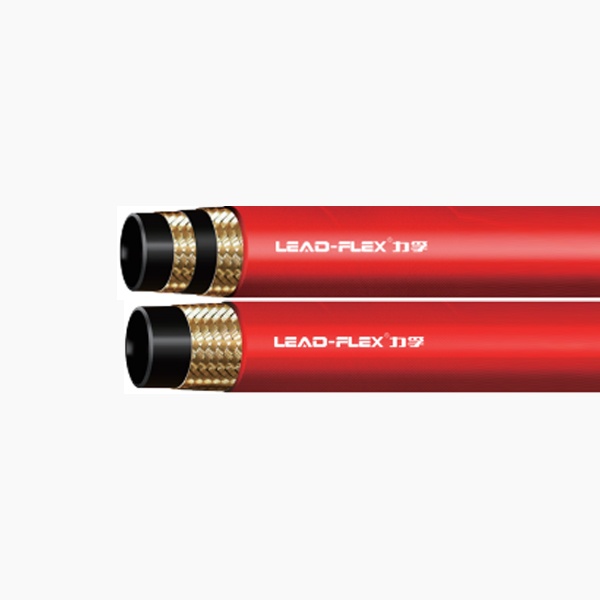
The structural skeleton relies on high-tensile steel wire. You must evaluate single versus double steel wire braids. Single braid designs offer excellent flexibility for manual washdown stations. Double braids offer significantly higher burst protection. They remain completely mandatory for high-pressure industrial transfer applications.
Review the comparative material attributes below to guide your specification process.
Material / Component
Primary Advantage
Primary Limitation
Best Application Fit
EPDM Elastomer
Excellent heat and weather resistance
Degrades rapidly when exposed to oils
Standard saturated vapor lines
Chlorobutyl Rubber
High moisture impermeability reduces popcorning
Heavier and inherently less flexible
Extreme temperature, high-risk lines
Single Wire Braid
Lighter weight and highly maneuverable
Lower maximum working pressure limit
Manual plant washdown stations
Double Wire Braid
Maximum burst protection and durability
Stiff, heavy, and harder to route
High-pressure industrial processing
Decision Criteria for Shortlisting Steam Hose Suppliers
Procurement must look beyond basic dimensions and price points. Supplier evaluation directly impacts facility safety and compliance. You need partners who prioritize rigorous testing and engineering support. Avoid vendors who treat high-pressure assemblies as simple commodity items.
Safety Ratios & Compliance
Industrial safety standards demand specific burst margins. You must reject vendors unable to provide certified testing documentation. They must prove a strict 10:1 safety factor. This means the burst pressure must equal ten times the working pressure. Look for strict adherence to ISO 6134, RMA, or EN standard testing protocols.
Crimp & Coupling Integrity
Your evaluation should include the entire finished assembly. The connection point usually acts as the weakest link. Interlocking clamps or specifically engineered crimped couplings remain non-negotiable. These fittings bite through the cover directly into the wire braid. Utilizing standard band clamps presents a catastrophic blowout risk.
Traceability and Testing
Responsible manufacturers validate every single product before shipment. Prioritize suppliers who hydro-test each assembly individually. They must provide permanent identification tags securely attached to the product. These tags should display the date of manufacture, MAWP, and test certification numbers. Traceability ensures accountability.
Application Engineering Support
A reputable vendor never sells blindly from a catalog. They must ask technical questions about your specific operation. They should ask about your steam state (saturated versus superheated). They need to understand your environmental conditions and daily cleaning protocols. Only then can they recommend an appropriate solution safely.
Verify the use of specialized interlocking crimp fittings.
Require unique, permanent traceability tags on every unit.
Insist on individual hydro-testing certificates prior to delivery.
Implementation Protocols to Prevent Recurring Failures
Proper material selection solves only half the equation. Daily operational habits dictate the true lifespan of any pressurized line. We must implement standardized protocols across all maintenance teams. Consistent handling prevents localized stress and interior degradation.
Installation Best Practices
Install all lines with a natural, relaxed drape. Avoid inducing any twisting or torsion during the installation process. Torsion severely stresses the internal wire reinforcement layer. It causes the inner tube to buckle under pressure. Always use proper elbows and swivel joints to accommodate necessary angles.
Standard Operating Procedures (SOPs)
Heat-up procedures require patience. Open supply valves gradually to avoid severe thermal shock. Sudden valve opening creates dangerous water hammer. This shockwave blows out fittings instantly. Cool-down procedures require equal care. Always vent and drain lines completely after operation. This prevents condensate pooling, which drives popcorning.
Inspection Routines
Establish a strict, documented visual inspection cadence. Technicians should inspect active lines before every shift. Look closely for exterior cover cracking or unusual stiffness. Check for exposed wire reinforcement near the fittings. Any sign of coupling slippage demands immediate removal from service.
Mandatory Replacement Cycles
We must treat these assemblies as consumable wear items. They do not last forever. Define a proactive replacement schedule based on actual run-hours. Do not wait for visual failure indicators to appear. Scheduled replacement eliminates the risk of unexpected ruptures on the production floor.
Conclusion
Popcorning, blistering, and tube separation are preventable outcomes. They are not inevitable industrial realities you must accept. Understanding the specific mechanics behind these failures empowers your team to act proactively. Condensate traps and extreme thermal cycling destroy standard rubber compounds rapidly. You can stop this cycle.
Mitigating these life-safety risks requires a committed, dual approach. First, upgrade to specialized materials engineered for thermal stability. Second, enforce strict operational protocols for draining, venting, and gradual heat-up. You must eliminate procedural errors to maximize operational lifespan.
Your next action is straightforward. Conduct an immediate safety audit of all active high-temperature lines in your facility. Request detailed material specification sheets and hydro-test certificates from your current supplier. Verify their compliance with ISO 6134 standards today to ensure your workforce remains protected tomorrow.
FAQ
Q: How long should a high temperature steam hose last?
A: Lifespan depends heavily on usage frequency, pressure limits, and routine maintenance. Environmental factors also play a massive role. However, under standard daily industrial use, many safety protocols dictate proactive replacement every 6 to 12 months. Never wait for visible degradation to replace them.
Q: Can a steam hose with popcorning or blistering be repaired?
A: No. Once structural degradation like blistering or popcorning begins, the integrity of the pressure vessel is fully compromised. You cannot patch or repair it safely. The hose must be removed from active service immediately to prevent a dangerous blowout.
Q: Why is my EPDM steam hose hardening and cracking?
A: Hardening in EPDM usually indicates direct exposure to superheated steam beyond its rated temperature limit. Dry heat bakes the rubber. Alternatively, it indicates the presence of incompatible chemicals or petroleum-based oils in the line. These contaminants degrade the specific polymer chain rapidly.